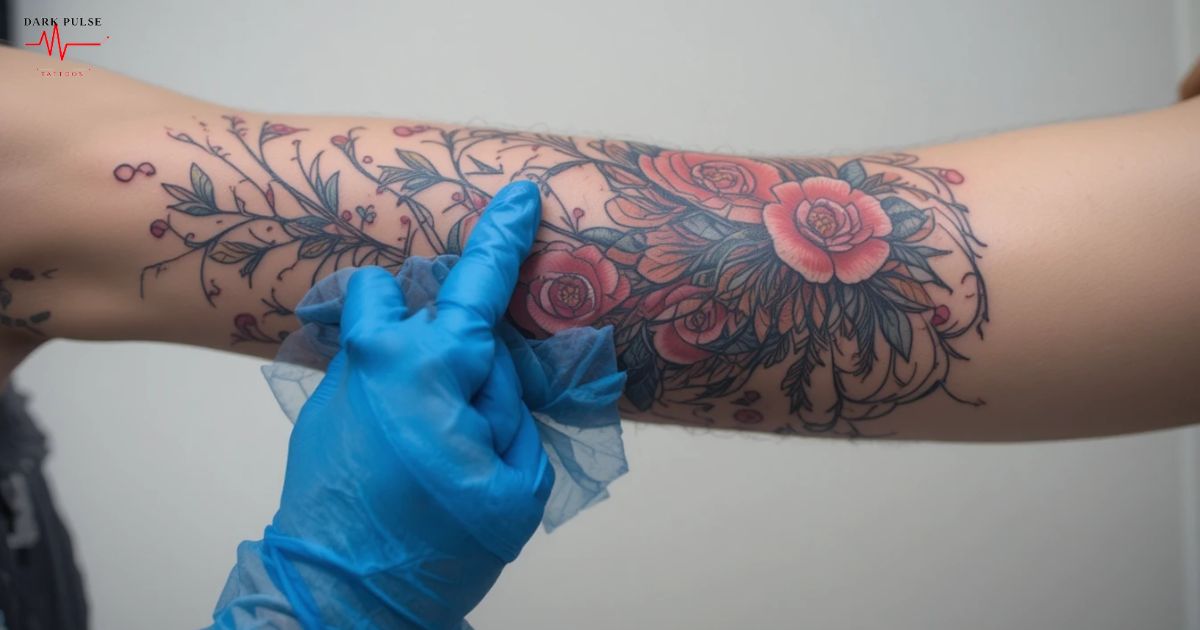

Choosing a design is only half the job , deciding where it goes on your body is what really determines how it looks, ages, and feels for years to come. This Tattoo Placement Guide walks you through the other half of that decision: matching your design to a spot that suits your pain tolerance, lifestyle, and the way your body actually moves. Whether you’re drawn to a bold forearm piece or a quiet, private placement on the ribs, understanding these basics before you sit in the chair helps you avoid the most common regret people share , a beautiful design stuck in the wrong place.
Choosing a design is only half the job. This Tattoo Placement Guide walks you through the other half , deciding where that design actually lives on your body. The spot you pick shapes how your tattoo looks today, how it ages over the years, and how much it hurts while you’re in the chair. A solid Tattoo Placement Guide saves you from the most common regret people share online: a great design stuck in the wrong spot. Think of this Tattoo Placement Guide as the missing step between picking a design and actually booking the appointment.
Why Tattoo Placement Matters
Placement changes everything about a tattoo. It decides how light catches the ink, how fast the color fades, how much pain you feel, and how the piece reads to people around you. That’s the whole point of a Tattoo Placement Guide , it pushes you to think past the artwork itself and consider the body it’s going on.
Your body isn’t a flat surface. It moves, stretches, and folds in ways a static drawing never does. A rose on your shoulder looks calm when you’re standing still, but it shifts and comes alive the moment you raise your arm. Picking the right spot keeps your design’s harmony intact for years instead of letting it warp the first time your skin stretches.
Pro Tip: Stand in front of a mirror and move naturally , flex your arm, twist your torso, sit down. Watch how your skin folds. A good artist uses that motion to align lines with your body’s real curves instead of fighting against them.
Understanding the Body Map of Tattoos
Before committing, it helps to picture your body as a map a guide that splits it into zones by visibility, flexibility, and pain sensitivity. This is essentially what a tattoo placement chart tries to capture on paper. A tattoo location chart usually shows firm, low-motion areas like the outer thigh or upper arm as ideal for clean lines and solid color, while high-motion areas like the ribs or the top of the foot get flagged as harder to keep crisp long-term.
Any good Tattoo Placement Guide treats this body map as step one , understand the zones before you fall in love with a specific spot. That’s really the foundation every Tattoo Placement Guide builds on.
Visibility vs. Privacy
Forearms, wrists, and necks make bold, visible statements ,great if you want your ink seen daily, less ideal if your workplace has a strict dress code. Shoulder blades, side ribs, and upper thighs sit in the middle: easy to cover, easy to show off when you want to. If this is your first tattoo, one of these semi-hidden zones takes the pressure off while you get used to having ink.
Tattoo Placement and Personality
The spot people choose often says something about them. Someone who enjoys conversation tends to pick visible placements that spark questions. Someone more private tends to keep meaningful pieces tucked away where only they , and people they choose to show , ever see them. Placement isn’t just logistics; it’s part of how the tattoo tells its story, and that’s exactly why a thoughtful Tattoo Placement Guide treats personality as seriously as pain tolerance.
A tattoo placement chart female audiences often reference tends to lean into this idea too , pairing curved areas like the hip, ribs, or collarbone with softer, flowing designs that follow the body’s natural line rather than fight it. A tattoo placement meaning chart takes this further, mapping which spots are traditionally tied to which symbolic meanings, so your placement can reinforce the message behind the design itself. This is exactly the kind of nuance a well-rounded Tattoo Placement Guide should cover.
Tattoo Placement by Pain Level
Pain tolerance is personal, but certain patterns hold up again and again, and any dependable Tattoo Placement Guide will walk you through them. Thin skin sitting close to bone , ribs, ankles, hands, spine , tends to hurt the most. Muscular, fleshy areas like the upper arm, thigh, or calf cushion the needle’s vibration and feel far more manageable, especially for a first session.
Artists often lean on a tattoo placement chart to guide beginners toward smoother sessions. Outer arm, shoulder, and thigh placements are beginner-friendly thanks to their smooth surfaces, steady skin, and mild discomfort.
Pro Tip: If you’re planning a large piece, start with a low-pain zone first. Sitting through several hours on the ribs or spine can wear you down fast. Save the more sensitive real estate for once your tolerance has built up.
How to Choose the Right Tattoo Placement
Every solid Tattoo Placement Guide comes down to matching three things: the shape of your design, how your body moves, and how visible you want the result to be.
- Design size and shape — Round motifs suit round surfaces like shoulders or knees. Long, vertical designs flow naturally along the spine, the legs, or the forearm.
- Skin texture and movement — Fine linework and heavy detail hold up best on firm, low-motion skin like the upper arm or calf.
- Visibility and lifestyle — Think about how often you want it seen. A forearm tattoo speaks loudly every day; a rib or thigh piece stays a private message until you choose to share it.
One Tatspark community member originally wanted a sternum tattoo but switched to the upper shoulder after testing a few flow sketches — the curved lines sat more naturally with the body’s motion there, and the design held its symmetry far better as a result.
Read Also: Tauben Tattoo-Ideen: Trage Frieden auf deiner Haut
Popular Tattoo Placement Ideas
Arm Tattoo Placement
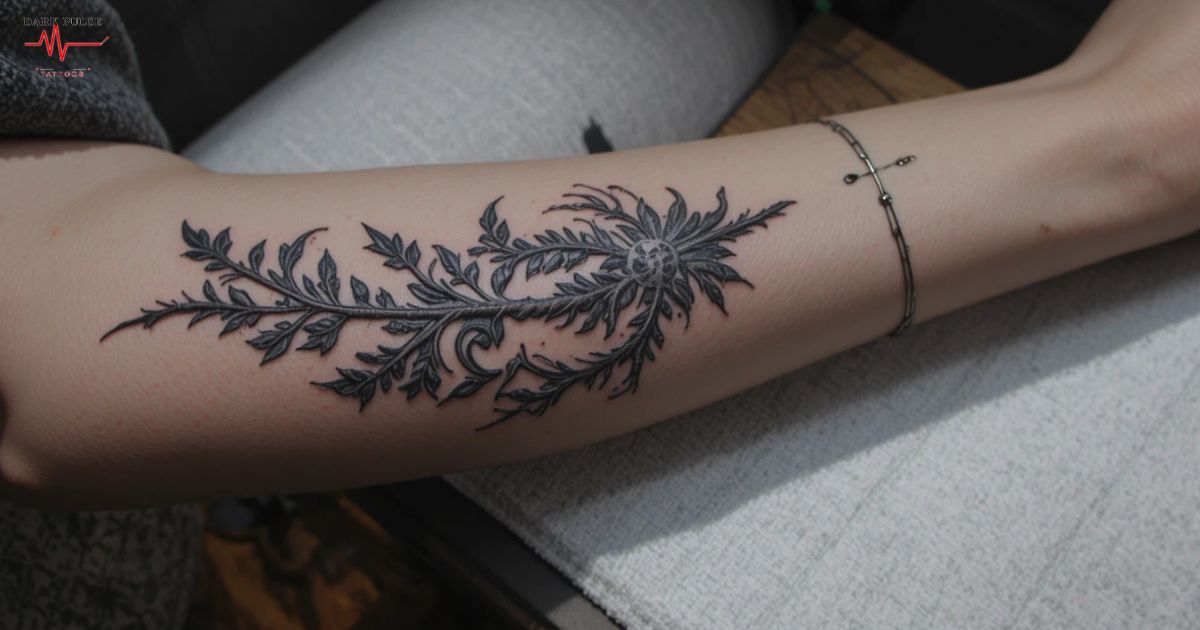
Arm tattoo placement is the one nearly every tattoo placement chart puts at the top of the beginner-friendly list, and it earns that spot. The upper arm offers enough space for storytelling pieces , animals, portraits, abstract compositions , without much distortion from movement. The forearm suits medium-scale designs that catch light every time you gesture or reach for something. The inner bicep and tricep work well for smaller, personal motifs like a name, a date, or a short line of text that stays semi-private.
If you’re building toward a full sleeve, plan the transition between upper and lower arm early. Arm tattoo placement only reads as cohesive when the composition flows across that elbow bend instead of stopping abruptly at it , a detail any arm-focused Tattoo Placement Guide should call out.
Small Tattoo Placement
Minimalist designs belong on wrists, ankles, collarbones, or just behind the ear. These spots heal fast, hold fine detail well, and read as understated rather than loud. A single flower, a small constellation, or one word carries plenty of meaning without needing to fill space , a point worth remembering, since tiny tattoos work best when their lines stay clean and bold rather than overly detailed. Small placements get their own mention in nearly every Tattoo Placement Guide for exactly this reason.
Back and Shoulder Designs
Backs and shoulders give you the most room to work with. Large, narrative pieces , dragons, birds, botanical scenes , flow naturally with the muscle structure here. The rounded shoulder complements circular or symmetrical motifs, while the upper back gives bigger compositions the space to breathe without interruption.
Thigh and Leg Options
Thighs suit detailed color work and larger floral pieces thanks to the privacy and surface area they offer. Calves and shins work well for vertical layouts , daggers, scripts, or linework that follows the natural line of the leg. This area also leaves room for future expansion if you plan to build outward later.
Tattoo Placement by Visibility
- Highly visible: hands, forearms, neck — bold, but can limit flexibility in more conservative workplaces.
- Semi-visible: upper arms, calves, shoulders , casual and visible when you want, easy to cover when you don’t.
- Private zones: ribs, thighs, back , reserved for the pieces meant only for you.
Pro Tip: Sunlight fades ink faster on exposed skin. If your design relies on delicate color gradients, a partially covered area , or consistent sunscreen , keeps it sharp longer, a small detail that ties back into the bigger picture of this Tattoo Placement Guide.
Tattoo Placement by Pain Level
From lowest to highest sensitivity, this is the shorthand version most people keep coming back to:
- Low pain: outer arm, thigh, calf
- Medium pain: forearm, shoulder, chest, upper back
- High pain: ribs, spine, ankles, feet, inner bicep
Talk with your artist about session pacing. Numbing cream or shorter sittings can help if you’re targeting a high-pain area , then follow proper aftercare for a smooth healing process, the final piece of advice in this part of the Tattoo Placement Guide.
Flow, Balance, and Expansion Planning
Experienced artists treat placement like choreography, and this is where a Tattoo Placement Guide really earns its keep. Placement planning means thinking about how tattoos will interact , now and in the future. Even a small wrist piece can be positioned so it connects with something bigger later.
Align your design with your body’s natural flow lines , ribs curve outward, shoulder blades widen, the spine elongates. Following those contours keeps the tattoo working with your posture instead of against it.
Pro Tip: If a sleeve or backpiece is somewhere in your future, tell your artist now. They can leave negative space intentionally, so pieces connect seamlessly instead of looking stitched together later.
Gender-Neutral vs. Gender-Specific Placements
Tattoo placement ideas are universal, but anatomy subtly changes how a design reads. Broader shoulders tend to favor angular or geometric pieces, while curved hips or waists lend themselves to flowing, organic shapes. The goal was never to separate designs by gender , it’s about visual balance with the body underneath, which is really the whole philosophy behind this Tattoo Placement Guide.
Artists often test flow sketches on both standing and seated poses to make sure the lines keep their intended motion across different body shapes.
Tips from Artists & Real Experiences
Professionals emphasize patience above almost everything else. Placement regrets usually happen when people rush the decision. Plenty of tattoo forums share the same story , a quote tattooed along the ribs that warped slightly with every breath, or a design that only looked “off” once the swelling went down and the skin settled back into place.
Pro Tip: Wearing a temporary transfer for a few days, or asking your artist for a full-scale printed stencil, can help you commit with far more confidence , a habit worth adopting from any well-tested Tattoo Placement Guide.
Cultural Meanings and Symbolic Placements
Tattoo placement can carry cultural or emotional symbolism far beyond aesthetics. Chest tattoos often reflect something close to the heart. Spine designs are tied to resilience. Hands have long signaled artistry and openness. Some Japanese tattoo traditions position protective symbols near vital organs, while Polynesian tattooing ties placement directly to heritage and status. In every case, where the ink sits carries as much meaning as what it depicts , a detail worth including in any complete Tattoo Placement Guide.
Healing and Maintenance by Area
Different placements heal at different speeds. Areas that rub against clothing , waistlines, wrists , need breathable fabric while recovering. Joints like knees and elbows bend constantly and can scab more if they aren’t kept moisturized. Feet and hands take the most friction and sun exposure, which is why they tend to fade fastest.
Use unscented aftercare balm, keep tattoos out of direct sunlight, and give the area its full healing window before judging the final result , advice that belongs in every Tattoo Placement Guide, not just this one.
When in Doubt, Consult Your Artist
A professional artist evaluates flow, proportion, and how the design interacts with your specific anatomy , not just a generic tattoo placement chart. Bring reference images, move naturally in front of the mirror during your consultation, and ask them to mark a few trial placements before committing. Talk through how the piece is likely to age with sun, stretching, or weight change over time. This kind of expert insight is exactly what separates a rushed decision from lasting satisfaction , and it’s something no Tattoo Placement Guide, however detailed, can fully replace.
Final Checklist for Choosing Tattoo Placement
Use this as the last step of your Tattoo Placement Guide before booking the appointment:
- Identify your tattoo’s emotional purpose.
- Choose two or three potential body zones that match its meaning.
- Compare pain tolerance against lifestyle visibility.
- Try a temporary transfer or an AR simulation.
- Confirm alignment and flow with your artist.
When your chosen area feels balanced both visually and emotionally, that’s usually the right spot for your story , and the moment this Tattoo Placement Guide has been building toward all along.
Tattoo Placement Ideas Female

Women exploring new tattoo ideas often gravitate toward spots that highlight the body’s natural curves rather than fight against them. The ribs, hip, collarbone, and inner forearm consistently rank among the most requested areas because they let flowing designs ,florals, script, delicate linework , move with the body instead of sitting flat against it.
Beyond aesthetics, these spots also offer flexibility. A collarbone piece can be shown off with an off-shoulder top or hidden completely under a crew neck, giving the wearer full control over visibility depending on the occasion.
Tattoo Placement Guide Male

Men researching placement tend to favor larger, bolder canvases like the chest, back, and forearm, where broader shoulders and flatter torsos give angular or geometric designs room to breathe. These areas also age well with heavier linework and shading, since the skin stays relatively firm and low-motion.
Visibility plays a big role in these decisions too. Forearm and calf placements let a design show casually in short sleeves, while chest and back pieces stay private by default , a common reason men choose those spots for more personal or symbolic work.
Tattoo Placement Guide Female
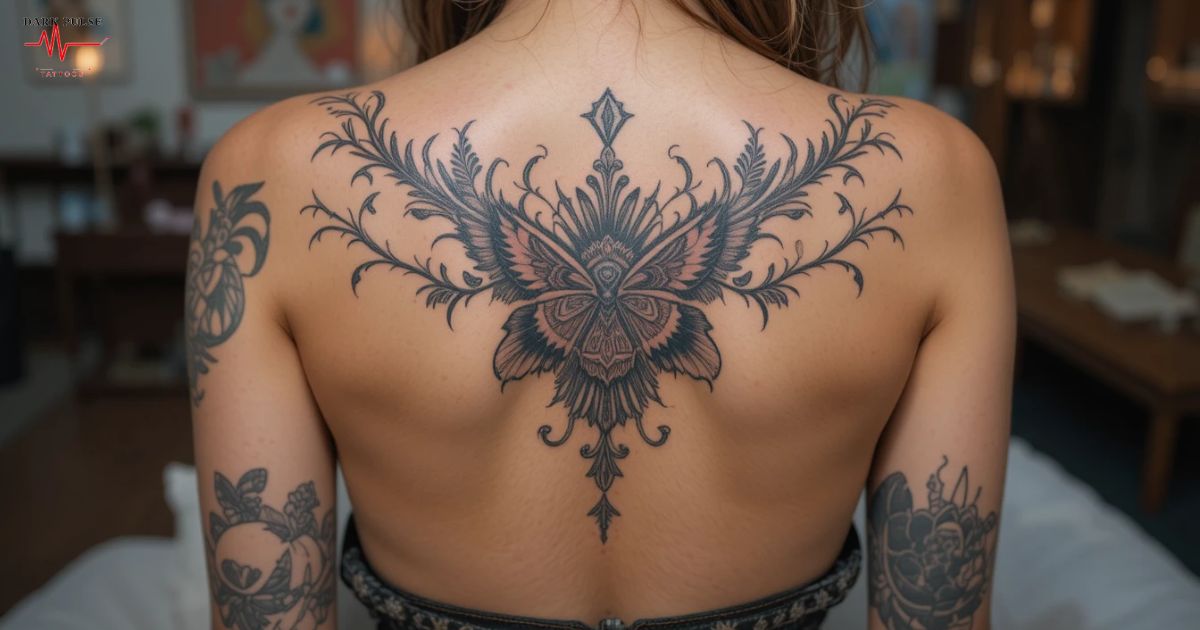
A placement guide built around women’s anatomy usually centers on how curves change the way a design reads. Hips, ribs, and the underside of the arm carry more natural tension than flatter areas, so artists often adjust flow and scale to follow that movement rather than resist it.
Lifestyle matters just as much as anatomy here. Someone in a corporate role might lean toward easily concealed spots like the ribs or upper thigh, while someone with more flexibility might choose the forearm or ankle specifically to keep the design visible day to day.
Tattoo Placement Meaning
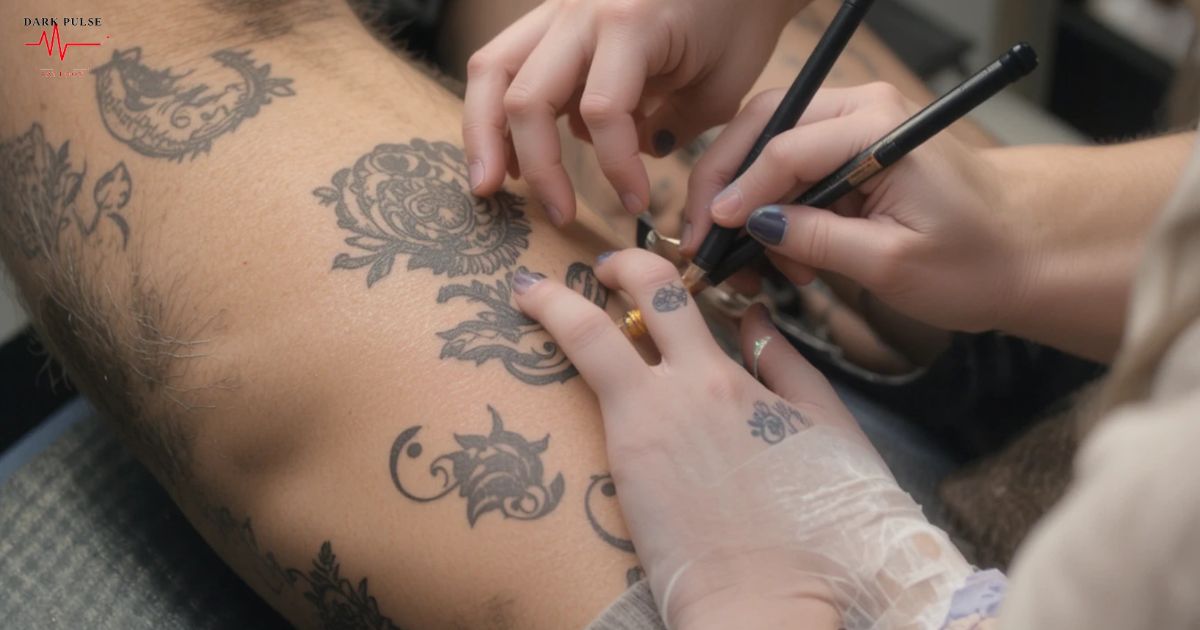
Where a tattoo sits often shapes how it’s read, sometimes just as much as the design itself. A symbol placed near the heart tends to feel personal and protective, while the same symbol on the hand or neck reads as bold and declarative.
Certain areas carry meaning that goes beyond personal taste. The wrist is often associated with quiet, everyday reminders, the spine with resilience, and the chest with something held close , all before a single viewer even asks what the design represents.
Tattoo Placement Names

Knowing the correct terms for different body zones makes conversations with your artist far smoother, especially when referencing photos or previous work. Terms like “sternum,” “nape,” “inner bicep,” or “half sleeve” aren’t just anatomical labels , they’re the shared vocabulary that keeps expectations clear on both sides.
This becomes especially useful when planning larger pieces. Being able to say “upper back panel” or “outer forearm” precisely, rather than vaguely pointing at an area, helps avoid miscommunication once the stencil actually goes on skin.
Least Painful Best Place for a Tattoo on a Woman

Pain tolerance varies, but certain areas consistently rank as the most comfortable choices for a first tattoo. The outer arm, upper thigh, and calf combine steady, muscular skin with lower nerve density, making the sitting far more manageable than bonier areas.
For anyone nervous about their first session, starting in one of these low-pain zones builds confidence without sacrificing design options. Once healed, that first easier experience often makes tackling a more sensitive spot later feel far less intimidating.
FAQS
What is the rule for tattoo placement?
There’s no single fixed rule, but the general guideline is to match the design’s shape and flow to your body’s natural curves and movement. Pain tolerance, visibility needs, and future expansion plans should also factor into the decision.
What is the best placement for a tattoo?
The “best” placement depends entirely on your priorities , pain tolerance, visibility, and lifestyle all play a role. For beginners, the outer arm, thigh, and calf are generally considered the safest, most comfortable choices.
What is the 1/3 rule tattoo?
The 1/3 rule suggests dividing a body area into thirds to balance a design’s proportions , for example, on a sleeve, keeping equal visual weight across the upper arm, elbow, and forearm sections. It helps larger pieces look intentional rather than lopsided.
How do you decide the placement of a tattoo?
Start by considering your pain tolerance, how visible you want the design to be, and how the area moves day to day. Testing a stencil or temporary transfer before committing also helps confirm the spot feels right.
What is the most hidden spot for a tattoo?
The ribs, inner thigh, and upper back are widely considered the most easily hidden spots, since they’re rarely exposed by everyday clothing. The scalp and inside of the lip are even more concealed, though far less common choices.
Conclusion
Choosing the right tattoo placement is never just about finding empty skin , it’s about matching your design’s shape, meaning, and visibility to a spot your body will carry comfortably for decades. Whether you’re drawn to the boldness of a forearm piece or the quiet privacy of a rib placement, taking time to think through pain tolerance, lifestyle, and future plans pays off far more than rushing the decision on appointment day.
At the end of the day, no chart or guide fully replaces a real conversation with your artist. Bring your references, move naturally in front of the mirror, and let the placement reflect the story you actually want to tell , because a well-placed tattoo doesn’t just look good today, it keeps looking right for years to come.