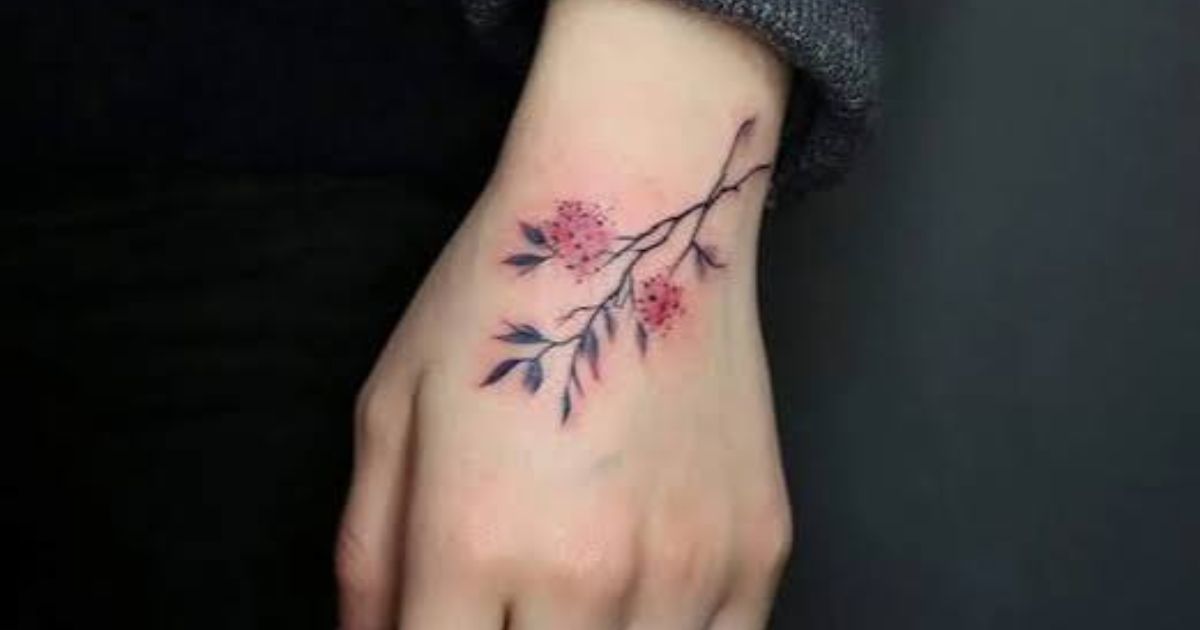

A new tattoo is an open wound, so some redness, tenderness, swelling, warmth, and mild discomfort can happen during the early healing period. These symptoms should gradually improve as the skin heals.
An infected tattoo is different. Increasing redness, worsening pain, spreading warmth or swelling, pus, or feeling generally unwell can be signs that something is wrong. Tattoo infections can happen because bacteria or other microorganisms enter the skin through equipment, poor hygiene, or contaminated tattoo ink.
Knowing the difference between normal tattoo healing and an infection is important. This guide explains the common signs, possible causes, what you should do, when medical care is needed, and how to reduce the risk of infection.
What Is an Infected Tattoo?
An infected tattoo occurs when harmful microorganisms enter the skin during or after the tattooing process and cause an infection. Because tattoo needles break the skin barrier, there is an opportunity for microorganisms to enter the body.
The infection may affect the tattooed area or surrounding skin. Some infections can be mild, while others can become more serious and require medical treatment. The FDA has also reported infections linked to contaminated tattoo inks, including inks that appeared sealed.
Is Redness After a Tattoo Normal?
Some redness after getting a tattoo can be normal. Freshly tattooed skin has been repeatedly punctured, so the area may look irritated and feel warm or tender.
The important point is how the symptoms change. Normal irritation should generally settle rather than become increasingly painful, swollen, or red. If redness keeps spreading or the tattoo becomes more painful instead of improving, it should be assessed by a healthcare professional.
Infected Tattoo vs. Normal Healing
It can be difficult to tell the difference at first because both normal healing and infection can involve redness and tenderness.
| Normal Healing | Possible Infection |
| Mild redness | Redness that spreads |
| Mild tenderness | Increasing or severe pain |
| Mild warmth | Increasing heat around the tattoo |
| Some swelling | Significant or worsening swelling |
| Clear or pale fluid | Thick pus or unusual drainage |
| Gradual improvement | Symptoms getting worse |
| Mild itching during healing | Increasing irritation with other warning signs |
| No general illness | Fever, chills, or feeling unwell |
The overall trend matters. If the tattoo is becoming worse rather than gradually improving, contact a healthcare professional.
Signs of an Infected Tattoo
Several symptoms can suggest a tattoo infection. You do not necessarily need to have every symptom for an infection to be present.
Increasing Redness
Some redness can occur after tattooing. A concern is redness that becomes more intense or spreads outward from the tattoo.
Red streaking or rapidly spreading redness should receive prompt medical attention.
Increasing Pain

A fresh tattoo can be sore, but the discomfort should generally improve.
Pain that becomes stronger over time, especially when combined with swelling, heat, pus, or fever, can be a warning sign.
Swelling
Some initial swelling may occur after tattooing. Significant or increasing swelling is more concerning.
If the surrounding skin becomes increasingly swollen, hot, or painful, contact a healthcare professional.
Warm or Hot Skin
A freshly tattooed area may feel slightly warm because the skin has been irritated.
If the tattoo becomes increasingly hot along with worsening redness, pain, or swelling, it may indicate infection.
Pus or Unusual Drainage
Pus is an important warning sign. It may appear thick and can be white, yellow, or green.
Do not squeeze or pick at the tattoo to remove drainage. Contact a healthcare professional for advice.
Fever or Chills
Fever, chills, shaking, sweats, or feeling generally unwell can indicate that an infection may be more serious.
The FDA advises contacting a healthcare professional if a tattoo is not healing properly or if a rash develops, particularly when fever occurs.
Red Streaks
Red streaks extending away from an infected-looking area can be concerning.
Seek prompt medical care if you notice rapidly spreading redness or red streaks, especially when accompanied by fever or worsening pain.
What Causes an Infected Tattoo?

There is no single cause of tattoo infections. Several problems can introduce microorganisms into the skin.
Unsterile Equipment
Tattoo needles and equipment that are not properly sterile can introduce microorganisms into the skin.
The FDA warns that unsterile tattoo equipment and needles can transmit infections.
Poor Hygiene
Poor hand hygiene, contaminated surfaces, dirty equipment, or improper handling can increase infection risk.
A professional studio should follow appropriate hygiene and infection-control practices.
Contaminated Tattoo Ink
Tattoo ink itself can sometimes be contaminated. The FDA has reported that contamination can occur even in sealed tattoo ink containers.
This is one reason choosing a reputable tattoo studio and asking about the inks being used is important.
Contaminated Water
Using non-sterile water to dilute tattoo pigments can introduce microorganisms into ink.
The FDA identifies non-sterile water used to dilute pigments as one possible source of contamination.
Poor Aftercare
Touching a new tattoo with dirty hands, picking at healing skin, or exposing it to unclean environments can increase the chance of complications.
Following the tattoo artist’s aftercare instructions can help protect the healing skin.
Can a Tattoo Infection Come From the Ink?
Yes. Infection does not always result from poor tattooing technique.
The FDA has documented microbial contamination in tattoo inks and has issued safety alerts involving contaminated products. Some contaminated inks have contained bacteria capable of causing illness.
If you develop a suspected infection, tell your healthcare professional about the tattoo. It can also be useful to tell the tattoo artist and ask for information about the ink brand, color, and batch or lot number if available.
How Soon Can a Tattoo Become Infected?
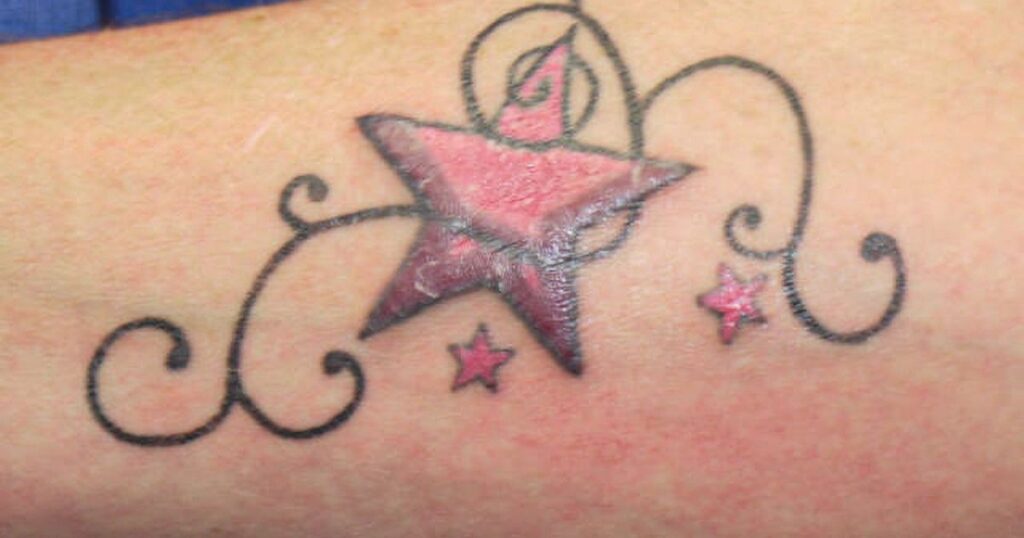
An infection can develop during the healing period, but the exact timing varies.
Some problems may appear relatively soon after tattooing, while certain infections associated with contaminated ink may take longer to become obvious.
Do not assume that a tattoo is safe from infection simply because several days have passed. Pay attention to symptoms and whether the skin is improving or worsening.
What Should You Do If Your Tattoo Looks Infected?
If you think your tattoo is infected, do not try to treat a potentially serious infection entirely on your own.
Contact a healthcare professional and describe your symptoms. They can examine the tattoo and determine whether you need medical treatment.
Until you receive medical advice:
- Keep the area clean.
- Wash your hands before touching the tattoo.
- Avoid scratching or picking at the skin.
- Do not squeeze pus or bumps.
- Avoid applying random creams or chemicals.
- Follow appropriate tattoo aftercare instructions.
- Avoid getting additional tattoos on or near the affected area.
- Tell the healthcare professional when you got the tattoo.
The FDA specifically recommends contacting a healthcare professional when an infection or other significant reaction occurs.
Can an Infected Tattoo Heal on Its Own?
Some minor skin irritation may settle naturally, but you should not assume that a suspected infection will resolve without treatment.
Bacterial infections can sometimes require antibiotics, and more aggressive infections may require more extensive medical treatment. The FDA notes that serious tattoo-related infections can sometimes require prolonged antibiotics, hospitalization, or surgery.
Because the correct treatment depends on the cause and severity, a healthcare professional should evaluate concerning symptoms.
When Should You See a Doctor for an Infected Tattoo?
Contact a healthcare professional if you notice signs that suggest infection, particularly if they are getting worse.
Seek prompt medical attention if you have:
- Spreading redness
- Increasing swelling
- Increasing pain
- Pus or significant drainage
- Red streaks
- Fever
- Chills or shaking
- Feeling significantly unwell
- A tattoo that is not healing normally
- Rapidly worsening symptoms
If you have severe symptoms or feel seriously ill, seek urgent medical care rather than waiting for the problem to improve.
UCLH advises medical assessment for signs of infection and notes that significant redness, swelling, or fever can indicate a more serious infection requiring urgent care.
Can an Infected Tattoo Be Dangerous?
Yes. Most tattoo problems do not necessarily become severe, but a genuine infection should not be ignored.
An infection can damage the skin and may leave scarring. More serious infections can affect deeper tissues or cause illness throughout the body.
The FDA has reported that some tattoo-related infections can lead to permanent scarring and that severe infections may require hospitalization or surgery.
Tattoo Infection or Allergic Reaction?
An infection is not the only reason a tattoo may become red or develop bumps.
Tattoo inks can also cause allergic reactions and other inflammatory skin problems. The FDA notes that infections and allergic reactions can sometimes have similar early signs, making them difficult to distinguish without proper evaluation.
A rash, bumps, itching, or redness does not automatically mean you have an infection. If you are unsure, especially if symptoms are worsening, ask a healthcare professional rather than guessing.
What Does an Allergic Reaction to Tattoo Ink Look Like?
An allergic reaction may cause itching, redness, bumps, rash, or other skin changes.
Unlike a typical bacterial infection, an allergic reaction may not necessarily produce pus or progressively worsening warmth and pain. However, symptoms can overlap, so appearance alone may not provide a reliable diagnosis.
A healthcare professional can help determine whether the problem is more consistent with infection, allergy, or another skin reaction.
Relevant Post………Sunflower Tattoo Ideas: Meaningful, Simple, and Unique Designs
Can a Tattoo Infection Cause Scarring?
Yes. Infection can damage the skin and may leave scars.
The risk of scarring depends on the type and severity of the infection, how quickly it is treated, and how the skin heals.
The FDA has reported permanent scarring as a possible result of some tattoo-related infections.
Can You Put Antibiotic Cream on an Infected Tattoo?
Do not assume that an over-the-counter cream is the right treatment for an infected tattoo.
Different skin problems can look similar, and some may require prescription treatment or a different approach. Using the wrong product can also irritate the skin.
If you suspect infection, it is safer to have the tattoo assessed by a healthcare professional and follow their treatment advice.
Should You Cover an Infected Tattoo?
Do not tightly cover an infected-looking tattoo unless a healthcare professional specifically tells you to.
Fresh tattoos need appropriate aftercare, but an infection requires proper medical assessment. Your healthcare professional can advise you about dressings and wound care based on the condition of your skin.
Can You Get Another Tattoo After an Infection?
It is better to wait until the affected skin has fully healed and any infection has been treated.
Getting another tattoo while your skin is dealing with an infection can create additional skin injury and make care more difficult.
If you have had a significant infection, ask your healthcare professional when it is appropriate to have another tattoo.
How to Prevent an Infected Tattoo
Prevention starts before the tattoo is even applied.
Choose a reputable tattoo professional and make sure appropriate hygiene practices are being followed. The studio should use sterile equipment and follow local health and safety requirements.
After the tattoo, follow the artist’s aftercare instructions and keep your hands clean before touching the area.
The FDA recommends paying attention to the cleanliness and sanitation of tattoo equipment and warns that contaminated ink can also cause infection.
Tattoo Studio Hygiene Checklist
Before getting a tattoo, consider asking:
- Are new sterile needles used?
- Are gloves changed appropriately?
- Is equipment properly sterilized?
- Is the work area clean?
- Are inks handled hygienically?
- Is single-use equipment disposed of safely?
- Is the studio properly licensed or regulated where applicable?
- Can the artist explain their hygiene procedures?
- Can they provide information about the tattoo ink if needed?
A professional artist should take hygiene seriously.
How to Care for a New Tattoo
Good aftercare supports normal healing and can reduce unnecessary irritation.
Follow the specific instructions provided by your tattoo artist. Generally, avoid touching the tattoo unnecessarily, keep it appropriately clean, and avoid scratching or picking at healing skin.
Do not expose the tattoo to unnecessary sources of contamination while it heals.
If your skin begins to develop worsening redness, swelling, pain, pus, or systemic symptoms, seek medical advice rather than simply changing your aftercare routine.
Things to Avoid With a Fresh Tattoo
During healing, avoid actions that can irritate or contaminate the tattoo.
- Do not scratch the tattoo.
- Do not pick scabs.
- Do not squeeze bumps.
- Do not share towels.
- Do not touch it with dirty hands.
- Do not apply random household products.
- Do not use harsh chemicals on the skin.
- Do not ignore worsening symptoms.
- Do not get another tattoo over an affected area.
Can Contaminated Tattoo Ink Cause Infection?
Yes. Tattoo ink can be contaminated with microorganisms before it is used.
The FDA has found microbial contamination in tattoo inks and has issued alerts about contaminated products. Its guidance also addresses ways manufacturers and distributors can reduce the risk of microbial contamination.
This means tattoo hygiene involves more than just needles. Ink handling and storage also matter.
What to Tell Your Doctor About a Tattoo Infection
When seeking medical care, give the healthcare professional useful information about the tattoo.
Tell them:
- When you got the tattoo
- Where the tattoo was done
- When symptoms began
- How the symptoms have changed
- Whether you have fever or chills
- Whether there is drainage or pus
- Whether the redness is spreading
- What aftercare products you have used
- What ink information you have
If available, keep the ink brand, color, and lot or batch information. The FDA recommends obtaining this information when reporting a suspected tattoo reaction or infection.
Can Tattoo Infections Spread?
Yes. Some infections can extend beyond the original tattooed area.
Increasing redness, swelling, warmth, pain, red streaks, fever, or feeling unwell can indicate a problem that needs medical assessment.
Do not wait for an infection to become severe before getting help.
Infected Tattoo Aftercare
If a healthcare professional confirms an infection, follow their treatment plan carefully.
Take prescribed medication exactly as directed and attend any recommended follow-up appointments.
Do not stop prescribed treatment early simply because the tattoo looks better unless your healthcare professional tells you to do so.
Keep monitoring the area for changes and seek additional medical care if symptoms worsen.
Infected Tattoo Aftercare vs. Normal Tattoo Aftercare
These are not the same situation.
| Normal Healing | Suspected Infection |
| Follow artist’s normal aftercare | Contact a healthcare professional |
| Keep tattoo appropriately clean | Follow medical wound-care advice |
| Avoid scratching | Do not squeeze or pick |
| Expect gradual improvement | Watch for worsening symptoms |
| Protect healing skin | Seek care for spreading redness or fever |
| Allow skin to heal | Use prescribed treatment if given |
The key difference is that suspected infection needs medical evaluation rather than relying only on standard tattoo aftercare.
Can a Doctor Tell if a Tattoo Is Infected?
A healthcare professional can examine the skin and assess the symptoms to determine whether infection is likely.
Because allergic reactions and infections can sometimes look similar, professional assessment can be especially useful when symptoms are unclear.
Depending on the situation, the clinician may recommend specific treatment or additional testing.
Infected Tattoo FAQs
How do I know if my tattoo is infected?
Possible signs include worsening redness, increasing pain, swelling, warmth, pus, red streaks, fever, chills, or feeling unwell. A healthcare professional should assess concerning symptoms.
Is some redness after a tattoo normal?
Yes. Some redness and tenderness can occur after tattooing because the skin has been injured. It is more concerning when redness becomes worse or spreads instead of improving.
Can a new tattoo get infected?
Yes. Tattooing breaks the skin barrier, so microorganisms can enter. Infections can result from unsterile equipment, poor hygiene, or contaminated ink.
What does tattoo infection pus look like?
Pus can be thick and may appear white, yellow, or green. Pus from a tattoo should not be squeezed out. Contact a healthcare professional for advice.
Can an infected tattoo heal without antibiotics?
It depends on the cause and severity. Do not assume that a suspected infection will heal without treatment. A healthcare professional can determine whether medication is needed.
Can tattoo ink cause an infection?
Yes. Tattoo inks can become contaminated with microorganisms, and the FDA has documented infections associated with contaminated inks.
Should I remove an infected tattoo?
Do not attempt to remove an infected tattoo yourself. Tattoo removal is a separate procedure and can cause additional skin injury. Treat the infection first under medical guidance.
Can an infected tattoo leave a scar?
Yes. Some tattoo infections can cause permanent scarring. Prompt medical assessment can help reduce the risk of complications.
Can an allergic reaction look like a tattoo infection?
Yes. Some signs can overlap. The FDA notes that tattoo infections and allergic reactions may initially look similar.
When should I go to urgent care for an infected tattoo?
Seek urgent medical attention if you have rapidly spreading redness or swelling, severe or worsening pain, fever, chills, red streaks, or feel seriously unwell.
Conclusion
An infected tattoo should not be confused with normal tattoo healing. Mild redness, tenderness, and irritation can occur after getting a new tattoo, but symptoms that become worse can be a warning sign.
Increasing pain, spreading redness, significant swelling, pus, red streaks, fever, chills, or feeling unwell are reasons to contact a healthcare professional. Tattoo infections can result from unsterile equipment, poor hygiene, or contaminated tattoo ink.
The safest approach is to take changes seriously and avoid trying to diagnose or treat a potentially serious infection yourself. If you are concerned about your tattoo, professional medical advice is the best next step.