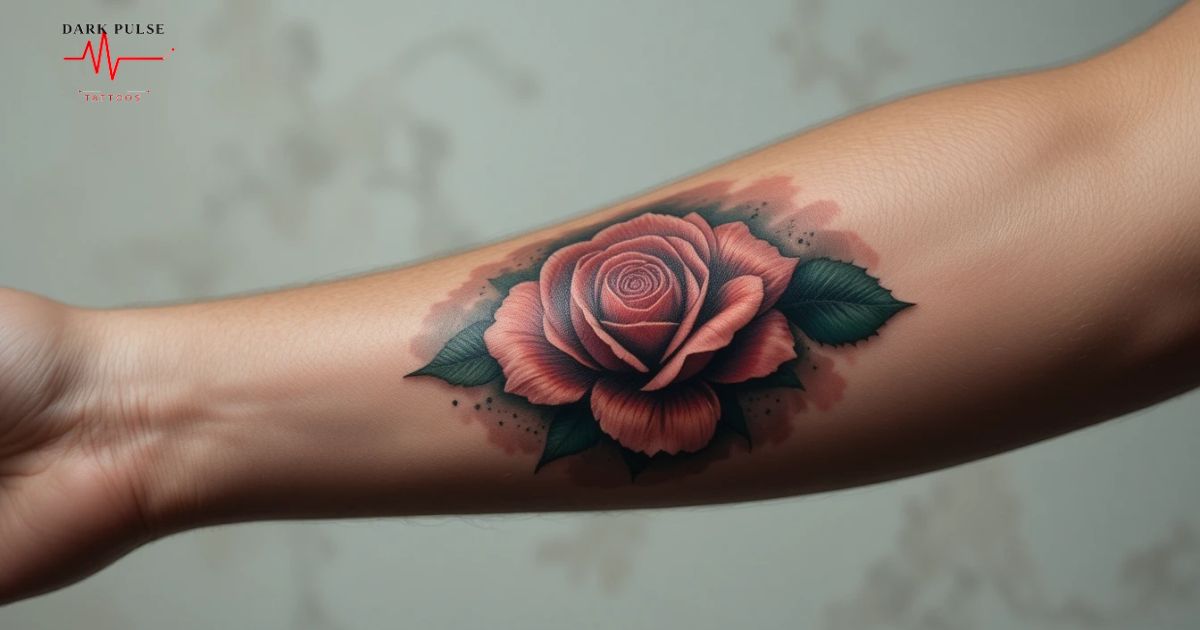

Getting a tattoo is about more than choosing an image. The style you choose can completely change how that image looks and feels. A rose in American Traditional style can look bold and classic, while the same rose in fine line or realism can feel delicate and lifelike. That’s why understanding different tattoo styles is an important step before booking your tattoo.
Tattooing has developed into a huge art form with styles ranging from traditional cultural practices to modern minimalist and experimental approaches. Some styles are defined by thick outlines and strong colors, while others depend on subtle shading, precise geometry, or delicate lines. Current tattoo guides commonly highlight styles such as American Traditional, Japanese, realism, fine line, blackwork, neo-traditional, watercolor, and geometric as major categories.
If you’re unsure which style fits your idea, this guide makes the choice easier. Below, you’ll discover more than 20 different tattoo styles, what makes each one unique, popular design ideas, and practical tips for choosing the right approach for your next piece.
What Are Different Tattoo Styles?
Tattoo styles are different artistic approaches used to create body art. They can be distinguished by line thickness, shading, color, composition, texture, level of detail, and the way artwork interacts with the body. Understanding these characteristics helps you describe your idea to an artist and find someone whose portfolio matches your vision.
It’s also important to know that tattoo styles aren’t always completely separate. An artist may combine fine-line outlines with dotwork, use blackwork techniques in a geometric design, or create Japanese-inspired imagery with a contemporary approach. This flexibility means you don’t necessarily have to choose one strict category.
1. American Traditional Tattoo Style
American Traditional, also known as Old School, is one of the most recognizable Western tattoo styles. It is characterized by bold black outlines, solid color fills, strong contrast, and a relatively limited color palette. Classic imagery includes roses, eagles, anchors, swallows, daggers, skulls, panthers, ships, and hearts.
The style became established in Western tattoo culture during the late 19th and early 20th centuries and was strongly connected with sailors, maritime imagery, and influential American tattoo artists. Its bold construction gives it a timeless graphic quality and helps the artwork remain recognizable even from a distance.
Best For
Choose American Traditional if you want a bold, classic tattoo with strong outlines and instantly recognizable imagery.
2. Neo-Traditional Tattoo Style
Neo-Traditional developed from American Traditional but gives artists more freedom with detail, shading, color, and composition. It generally retains bold outlines while adding richer gradients, more elaborate backgrounds, and greater illustrative depth.
Animals, flowers, portraits, mythical creatures, and decorative objects are popular subjects. This style is a great option when you like the visual strength of traditional tattoos but want something more detailed and contemporary.
Best For
Neo-Traditional is ideal for people who want bold artwork with more depth, decoration, and color variation than classic Traditional tattoos.
3. Japanese Tattoo Style

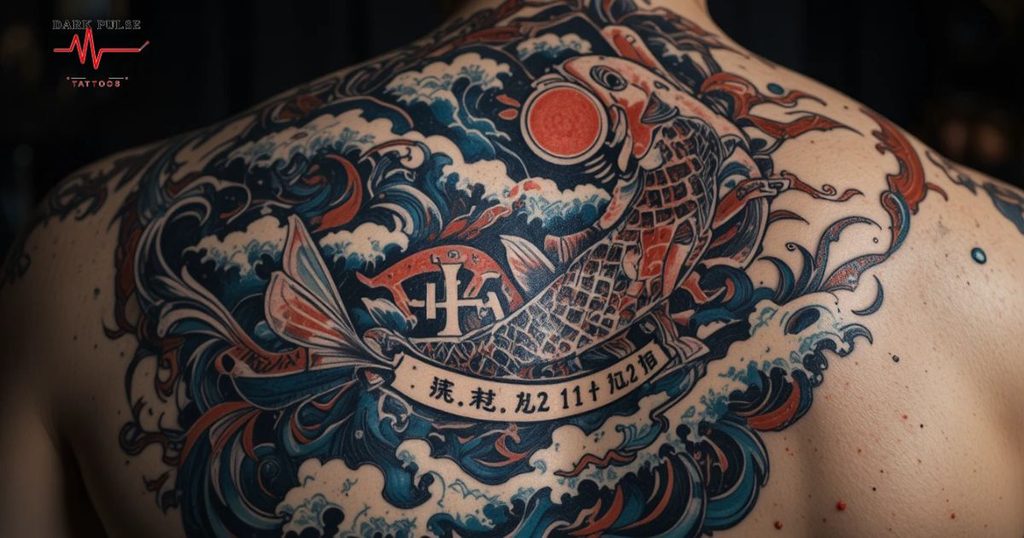
Japanese tattooing, often associated with Irezumi, has a distinctive visual language built around flowing compositions, symbolism, and traditional imagery. Koi fish, dragons, tigers, phoenixes, peonies, chrysanthemums, waves, clouds, and other natural or mythological subjects are frequently used.
Large Japanese tattoos are often designed to flow with the body’s contours. Sleeves, back pieces, chest panels, and leg tattoos can combine a central subject with background elements such as waves, clouds, or wind bars. Because Japanese tattooing has deep cultural history, anyone choosing this style should take time to understand its imagery and traditions.
Read Also: Dark and Creepy Blackwork Tattoo Ideas: 100+ Gothic, Horror & Macabre Designs
Best For
Japanese style works especially well for large-scale tattoos and people who want artwork with strong symbolism and storytelling.
4. Realism Tattoo Style
Realism attempts to reproduce the appearance of real-life subjects through detailed shading, accurate proportions, highlights, texture, and depth. Portraits, animals, flowers, landscapes, and objects are common choices.
Realistic tattoos require considerable technical skill because there is little room for mistakes in proportions, facial features, anatomy, or light and shadow. Large areas such as the upper arm, thigh, chest, shoulder, and back can provide more space for detailed realistic work.
Best For
Realism is a strong choice if you want a tattoo that resembles a photograph or detailed piece of artwork.
5. Black and Grey Tattoo Style
Black and grey tattoos use black ink, diluted washes, shading, and skin breaks rather than a wide range of colors. The result can be soft and realistic or dark and dramatic, depending on the artist’s technique.
This approach is commonly used for portraits, animals, religious imagery, roses, clocks, skulls, and other detailed subjects. Black and grey can also overlap with realism, illustrative, Chicano, and other styles.
Best For
Choose black and grey if you like detailed monochrome tattoos with strong depth and a timeless appearance.
6. Fine-Line Tattoo Style
Fine-line tattoos use thin, precise lines to create delicate and often understated artwork. Flowers, botanical drawings, tiny animals, symbols, portraits, lettering, and minimalist illustrations are common examples.
Fine-line tattoos can look elegant and subtle, but their delicate construction requires careful planning. Very small designs may soften or lose some detail as they age, so experienced artists usually consider spacing, scale, placement, and long-term readability before tattooing.
Best For
Fine line is excellent for anyone who prefers delicate artwork, subtle details, and a lighter visual appearance.
7. Minimalist Tattoo Style
Minimalist tattoos focus on simplicity rather than complex detail. A design might consist of a single continuous line, a small symbol, a clean outline, or a simple arrangement of shapes.
The minimalist approach can make even a small tattoo meaningful. A tiny mountain might represent adventure, a heart can symbolize love, and a simple star may represent hope or a personal goal.
Best For
Minimalist tattoos are ideal if you want subtle artwork that doesn’t dominate the body.
8. Blackwork Tattoo Style
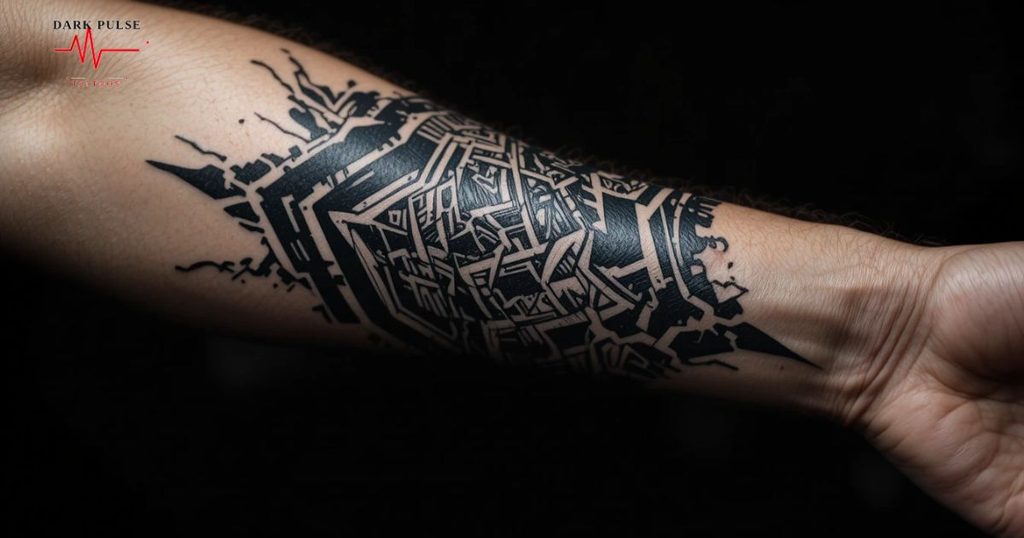
Blackwork is built primarily from black ink and strong contrast. It can include solid black areas, bold graphic shapes, intricate patterns, illustrative artwork, and carefully planned negative space.
Because blackwork is such a broad category, it can range from delicate patterned designs to extremely bold sleeves. Many artists also combine blackwork with geometric, ornamental, abstract, or illustrative techniques.
Best For
Blackwork suits people who love high contrast, bold visual impact, and tattoos that don’t depend on color.
9. Geometric Tattoo Style
Geometric tattoos are based on precise shapes, symmetry, repetition, lines, angles, and structured patterns. Circles, triangles, polygons, mandalas, and symmetrical compositions are common elements.
Precision is especially important with geometric work. Uneven spacing or inconsistent lines can be more noticeable when a design depends heavily on symmetry. An experienced geometric artist can adapt the pattern to the body’s natural curves without losing its structure.
Best For
Choose geometric tattoos if you enjoy clean lines, mathematical patterns, symmetry, and modern design.
10. Dotwork Tattoo Style
Dotwork uses individual dots to create shading, gradients, texture, and sometimes the entire tattoo. Varying the density of dots allows an artist to create lighter and darker areas without conventional solid shading.
Dotwork is often combined with geometric and ornamental tattooing. Mandalas, spiritual symbols, flowers, animals, and abstract patterns can all benefit from its textured appearance.
Best For
Dotwork is a good choice if you appreciate intricate details, stippled shading, and textured black-and-grey artwork.
11. Watercolor Tattoo Style
Watercolor tattoos are designed to resemble watercolor paintings. Instead of relying heavily on thick outlines, they often use soft color transitions, loose brush-like marks, splashes, and painterly effects.
The style can be particularly beautiful for flowers, birds, butterflies, landscapes, and abstract artwork. Some artists combine watercolor effects with fine-line outlines to give the tattoo more structure.
Best For
Watercolor is suitable for people who want colorful, artistic, and expressive body art.
12. Illustrative Tattoo Style
Illustrative tattoos are inspired by drawing, printmaking, painting, and visual illustration. They don’t necessarily attempt to reproduce a subject exactly like a photograph. Instead, the artist may emphasize linework, texture, stylization, or artistic interpretation.
This approach gives artists considerable creative freedom. A flower, animal, character, or landscape can be simplified, exaggerated, or combined with unusual elements to create an original composition.
Best For
Illustrative tattoos are perfect if you want artwork that looks hand-drawn and creative rather than strictly realistic.
13. Ornamental Tattoo Style
Ornamental tattoos are inspired by decorative art, jewelry, lace, filigree, mandalas, and intricate patterns. They often emphasize symmetry and carefully arranged details.
The design can be delicate or bold depending on the amount of black ink and line weight. Ornamental tattoos can look particularly striking on the sternum, shoulder, back, thigh, forearm, and other areas where the pattern can follow the body’s shape.
Best For
Choose ornamental work if you like elegant, decorative tattoos with a jewelry-like appearance.
14. Mandala Tattoo Style
Mandalas are circular designs built from repeating patterns and symmetrical elements. They can be created with fine lines, dotwork, blackwork, geometric shapes, or combinations of these techniques.
A small mandala can work as a standalone tattoo, while a larger design can become the centerpiece of a shoulder, thigh, back, or forearm composition.
Best For
Mandalas are ideal for people who enjoy symmetry, intricate patterns, and visually balanced artwork.
15. New School Tattoo Style
New School tattooing became known for exaggerated proportions, bright colors, bold outlines, cartoon-like imagery, and energetic compositions. It has influences from animation, comic art, graffiti, and contemporary illustration.
Unlike Traditional tattoos, New School artwork often intentionally distorts perspective and exaggerates shapes. This creates a playful and highly expressive appearance.
Best For
New School is a great option if you want colorful, unusual, humorous, or highly energetic tattoo artwork.
16. Sketch Tattoo Style
Sketch tattoos imitate the appearance of rough drawings or unfinished artwork. They may use loose strokes, overlapping lines, visible construction marks, and intentionally imperfect details.
This style can make a tattoo feel like an illustration transferred directly from an artist’s sketchbook. It works particularly well with portraits, animals, flowers, fantasy subjects, and abstract compositions.
Best For
Choose sketch-style tattoos if you prefer expressive artwork that feels spontaneous and hand-drawn.
17. Surrealist Tattoo Style
Surrealist tattoos combine familiar objects and subjects in unexpected or dreamlike ways. The goal isn’t necessarily to represent reality but to create an image that makes the viewer stop and think.
An eye inside a flower, a floating object, a distorted face, or an animal combined with another subject can all be used to create a surreal composition.
Best For
Surrealist tattoos suit creative people who want symbolic, unusual, and highly personal artwork.
18. Micro-Realism Tattoo Style
Micro-realism takes realistic tattooing and adapts it to a smaller scale. Tiny portraits, animals, landscapes, flowers, buildings, and objects can be rendered with impressive detail.
The challenge is balancing realism with the limited space available. Too much detail in a very small area can reduce clarity, so an artist must know when to simplify the design.
Best For
Micro-realism works well if you want a small tattoo with a realistic appearance and plenty of visual detail.
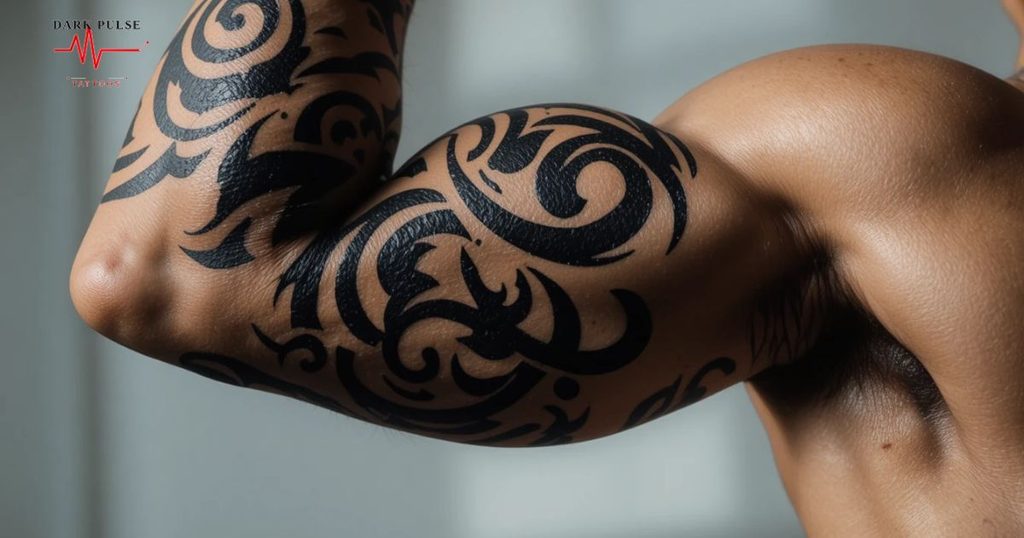
19. Tribal Tattoo Style
“Tribal” can refer to many different tattoo traditions, and these should not be treated as one universal style. Polynesian, Māori, Samoan, and other Indigenous traditions have distinct histories, symbols, techniques, and cultural meanings.
If you’re interested in a specific cultural tradition, research its background and work with an artist who understands that tradition. Cultural tattooing should be approached with respect rather than treated simply as a collection of decorative patterns.
Best For
Culturally specific tattooing is best approached with education, respect, and guidance from an artist knowledgeable about the particular tradition.
20. Chicano Tattoo Style
Chicano tattooing developed within Mexican-American communities in the United States and became strongly associated with black-and-grey work, fine line, lettering, religious imagery, portraits, roses, and cultural symbolism.
The style has a distinct social and cultural history. Modern Chicano-inspired tattoos can include detailed portraits, script, lowrider imagery, religious subjects, and symbolic compositions.
Best For
This style is suited to people who appreciate detailed black-and-grey artwork and understand the cultural context behind the imagery.
21. Gothic Tattoo Style
Gothic tattoos typically use dark imagery, dramatic lettering, skulls, roses, crosses, bats, medieval elements, architecture, and heavy blackwork.
The style can be extremely bold or surprisingly delicate. Combining Gothic imagery with ornamental linework or fine details can create a sophisticated design without relying entirely on large areas of solid black.
Best For
Gothic tattoos are ideal for people drawn to dark aesthetics, dramatic symbolism, and alternative art.
22. Hand-Poked Tattoo Style
Hand-poked tattoos are created without the conventional tattoo machine, with the artist manually placing ink into the skin using individual punctures. The technique has existed in various forms across different tattooing traditions and has also become popular in modern independent tattoo culture.
Modern hand-poked tattoos can be minimalist, fine line, geometric, ornamental, or highly detailed. The technique itself doesn’t automatically define the visual style, which means a hand-poked tattoo can overlap with several categories.
Best For
Hand-poked tattoos can appeal to people who prefer a slower, intimate tattooing process and handmade aesthetic.
Different Tattoo Styles Compared
| Style | Main Look | Popular Subjects | Overall Feel |
|---|---|---|---|
| American Traditional | Bold outlines, solid colors | Roses, eagles, anchors | Classic |
| Neo-Traditional | Bold lines, rich shading | Animals, flowers | Decorative |
| Japanese | Flowing, symbolic compositions | Koi, dragons, waves | Dramatic |
| Realism | Photorealistic detail | Portraits, animals | Lifelike |
| Black & Grey | Monochrome shading | Portraits, skulls | Dramatic |
| Fine Line | Thin, delicate lines | Flowers, symbols | Elegant |
| Minimalist | Simple, clean forms | Symbols, objects | Subtle |
| Blackwork | Strong black contrast | Abstract, animals | Bold |
| Geometric | Precise shapes | Mandalas, patterns | Modern |
| Dotwork | Stippled shading | Geometry, mandalas | Intricate |
| Watercolor | Soft, painterly color | Flowers, birds | Artistic |
| Illustrative | Drawing-like detail | Animals, fantasy | Creative |
| Ornamental | Decorative patterns | Jewelry-like designs | Elegant |
| New School | Bright, exaggerated forms | Characters, animals | Playful |
| Sketch | Loose drawing style | Portraits, flowers | Artistic |
| Surrealist | Dreamlike imagery | Abstract concepts | Unusual |
| Micro-Realism | Small realistic detail | Animals, portraits | Detailed |
| Gothic | Dark imagery | Skulls, roses, lettering | Dramatic |
| Hand-Poked | Handmade technique | Various subjects | Organic |
How to Choose Between Different Tattoo Styles
Start by identifying what you like visually. Look through artist portfolios and notice whether you’re repeatedly drawn to thick outlines, delicate lines, realistic shading, bright colors, geometric patterns, or black ink. Current tattoo guidance emphasizes comparing the actual visual characteristics of styles rather than relying only on style names.
Next, think about the subject you want tattooed. A traditional rose may look best with bold outlines, while a portrait naturally lends itself to realism or black and grey. A mandala can work with geometric or dotwork techniques, while a small botanical design may be better suited to fine line or minimalist work.
Consider Size and Placement
Your tattoo’s size and location can influence which style works best. Large Japanese compositions need enough space to show their imagery and background, while a tiny minimalist symbol can fit into a much smaller area.
Curved areas also affect composition. An experienced artist should design the tattoo specifically for your body rather than simply shrinking a reference image until it fits. Style, placement, scale, and body contours should work together.
Think About Long-Term Appearance
Every tattoo changes as it heals and ages. Line weight, contrast, spacing, size, sun exposure, skin changes, and tattooing technique can all influence how a tattoo looks years later. Bold styles with strong contrast are generally easier to keep visually readable, while very delicate designs need careful sizing and spacing.
This doesn’t mean delicate styles are a bad choice. Fine-line and minimalist tattoos can look beautiful for years when they are designed appropriately. The key is finding an experienced artist who understands how the chosen style behaves on skin.
Choose an Artist Who Specializes in Your Style
One of the biggest mistakes people make is choosing an artist based only on location or price. Different tattoo styles require different technical skills, and an artist who excels at realism may not be equally experienced with Japanese, geometric, or Traditional work.
Look through an artist’s portfolio and find multiple examples of the exact style you want. If possible, check healed tattoos as well as fresh work. A consultation is also useful because the artist can tell you whether your preferred design, size, and placement will work well together.
Which Tattoo Style Is Best?
There is no single best tattoo style for everyone. American Traditional may be ideal for someone who wants bold, classic imagery, while fine line may suit someone who prefers subtle artwork. Realism works beautifully for lifelike portraits, Japanese designs are excellent for large storytelling compositions, and geometric or ornamental styles can create highly structured artwork.
The best style is the one that matches your design idea, personality, preferred aesthetic, placement, and long-term expectations. Instead of choosing a style simply because it is trending, find an artist who specializes in the visual language you genuinely love.
Frequently Asked Questions
What are the most popular different tattoo styles?
American Traditional, Japanese, realism, fine line, blackwork, neo-traditional, geometric, minimalist, watercolor, and dotwork are among the most widely recognized tattoo styles.
How many different tattoo styles are there?
There is no fixed number because tattoo styles continually evolve and overlap. Major guides commonly identify dozens of named styles and substyles, from traditional and realism to fine line, blackwork, illustrative, geometric, and contemporary approaches.
Which tattoo style lasts the longest?
Bold designs with strong lines, good contrast, adequate spacing, and appropriate sizing generally remain easier to read as they age. American Traditional and many blackwork designs are known for these characteristics.
What tattoo style is best for a first tattoo?
There is no universal answer. Small minimalist or fine-line tattoos can appeal to people who want something subtle, while a small Traditional design can be a good choice if you prefer bold artwork.
How do I find the right tattoo style?
Save several tattoo examples you like and compare their linework, color, shading, detail, and composition. Once you see a pattern, look for an artist who specializes in that style and discuss your idea during a consultation.
Conclusion
Different tattoo styles give you countless ways to express the same idea. From bold American Traditional and dramatic Japanese work to delicate fine line, detailed realism, structured geometric designs, textured dotwork, and artistic watercolor, each style has its own personality and technical requirements.
Take your time before choosing. Think about your subject, preferred aesthetic, size, placement, and how you want the tattoo to look years from now. Most importantly, choose an experienced artist whose portfolio shows consistent work in the style you love. The right combination of design, style, placement, and artistry can turn a simple tattoo idea into something genuinely personal.