

Tattoo styles are the visual languages artists use to create body art. The same subject such as a rose, wolf, skull, or dragon can look completely different depending on the style, line weight, shading, color, and level of detail. Understanding these differences helps you communicate your idea clearly and choose artwork that fits your personality.
Some tattoo styles are rooted in long-standing cultural and artistic traditions, while others developed through modern tattooing, illustration, graphic design, and advances in tattoo equipment. American Traditional, Japanese, realism, blackwork, fine line, geometric, dotwork, and watercolor are just a few of the styles commonly encountered today.
If you’re searching for the right tattoo style, this guide will help you understand the most popular options. We’ll look at what makes each style recognizable, the types of designs that work well with it, and practical factors to consider before choosing an artist.
What Are Tattoo Styles?
A tattoo style refers to the artistic technique and visual approach used to create a tattoo. Important elements include line thickness, color palette, shading, contrast, texture, composition, and the amount of detail. A style can completely change the mood of the same tattoo subject, which is why choosing the style can be just as important as choosing the image itself.
It’s also worth remembering that tattoo styles can overlap. A tattoo might combine fine-line outlines with dotwork shading, or Japanese-inspired imagery with modern color techniques. Geometric tattoos, for example, can incorporate fine lines, blackwork, dotwork, realism, or ornamental elements while still being recognized by their structured composition.
1. American Traditional Tattoos
American Traditional, also called Old School, is one of the most recognizable Western tattoo styles. It typically uses bold black outlines, solid color fills, a limited palette, and iconic subjects such as roses, eagles, anchors, swallows, daggers, panthers, skulls, and ships. The strong graphic construction gives these tattoos a distinctive appearance even when viewed from a distance.
The style developed strongly through early 20th-century Western tattoo culture and maritime traditions. Its straightforward shapes, confident outlines, and solid color make it feel classic rather than dependent on short-lived trends. Today, American Traditional remains popular for both small flash-style pieces and larger collections of tattoos that share a consistent visual language.
Best Design Ideas
Roses, snakes, eagles, hearts, skulls, anchors, daggers, cherries, ships, and traditional portraits are excellent choices for this style.
2. Neo-Traditional Tattoos
Neo-Traditional builds on the foundation of American Traditional while allowing more detail, richer shading, expanded color palettes, and more illustrative compositions. Strong outlines are still common, but the artwork can have greater depth and more complex visual storytelling.
This style gives artists considerable freedom. Animals, flowers, mythical creatures, portraits, women, birds, and decorative objects can all be adapted into Neo-Traditional artwork. If you love the bold appearance of traditional tattoos but want something more detailed and contemporary, this can be an excellent middle ground.
Best Design Ideas
Try a detailed fox, owl, snake, peony, tiger, woman portrait, or mythical creature with bold outlines and layered shading.
3. Japanese Tattoo Style
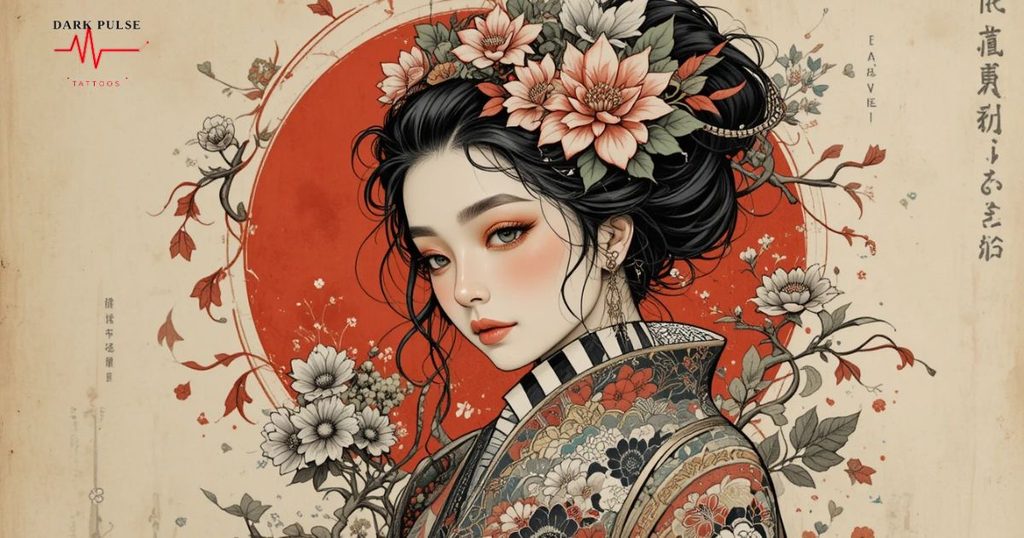
Japanese tattooing is recognized for large, flowing compositions and imagery such as koi fish, dragons, phoenixes, tigers, chrysanthemums, peonies, waves, clouds, and wind bars. Traditional Japanese compositions are often designed to work with the body’s contours instead of appearing as unrelated individual images.
The style has deep historical and cultural roots, and traditional Japanese tattooing developed its own visual vocabulary over centuries. Modern Japanese-inspired tattoos can range from small pieces to elaborate sleeves, chest panels, back pieces, and full-body compositions. Because the tradition has cultural significance, it’s important to understand the imagery and work with an artist who genuinely understands the style.
Best Design Ideas
Koi fish, dragons, Japanese flowers, tigers, snakes, phoenixes, waves, and large mythological compositions are classic options.
4. Realism Tattoos
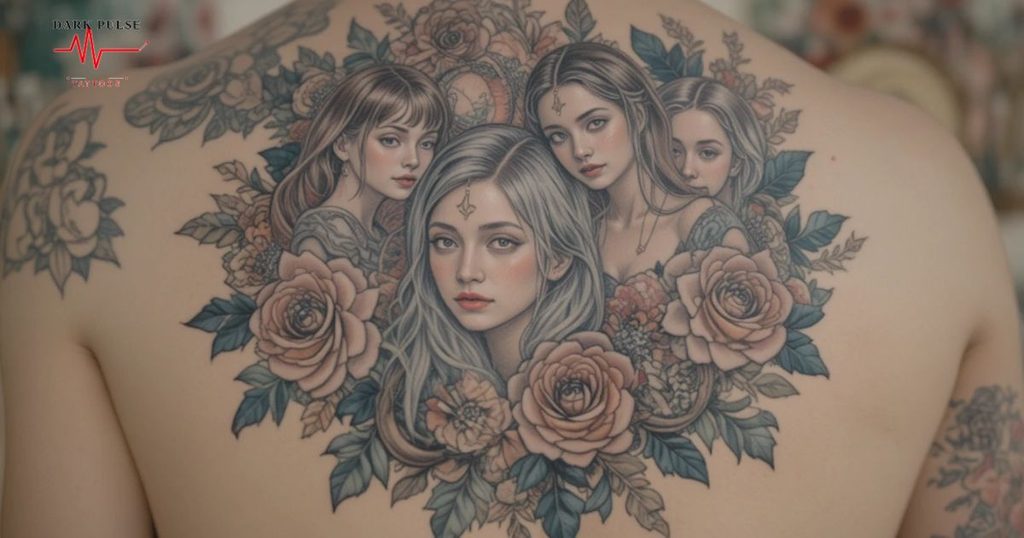
Realism aims to make a tattoo resemble a real subject as closely as possible. Artists use detailed shading, smooth transitions, accurate proportions, highlights, and carefully controlled contrast to create the appearance of depth and lifelike texture. Portraits and animals are especially common subjects.
Realism requires a high level of technical skill because small changes in facial proportions or anatomy can affect the entire image. Larger areas such as the upper arm, thigh, chest, shoulder, and back often provide more room for an artist to develop realistic detail without overcrowding the design.
Best Design Ideas
Popular realism subjects include portraits, pets, lions, wolves, flowers, religious figures, watches, landscapes, and realistic eyes.
5. Black and Grey Tattoos
Black and grey tattoos rely on black ink, diluted washes, shading, and skin breaks rather than a bright color palette. This approach can create dramatic depth while keeping the overall tattoo monochromatic. It is particularly common in realistic portraits, religious artwork, animals, and highly detailed compositions.
Black and grey can overlap with several other styles. For example, a tattoo can be both black-and-grey and realistic, or black-and-grey and illustrative. The absence of color puts greater emphasis on contrast, shading, texture, and composition.
Best Design Ideas
Portraits, angels, clocks, roses, animals, skulls, religious artwork, and dramatic landscapes all work well in black and grey.
6. Fine-Line Tattoos
Fine-line tattoos use thin, precise strokes to create delicate artwork. They’re often used for botanical illustrations, small symbols, lettering, minimalist objects, and detailed but understated compositions. The style has become particularly popular among people who prefer tattoos that feel subtle rather than heavy.
Fine-line work requires precision because the design contains fewer heavy visual elements to hide imperfections. Very thin lines can also soften over time, so the artist needs to consider the tattoo’s size, spacing, placement, and long-term readability rather than designing only for how it looks when fresh.
Best Design Ideas
Fine-line flowers, tiny animals, stars, moons, handwriting, botanical stems, portraits, and minimalist symbols are popular choices.
7. Minimalist Tattoos
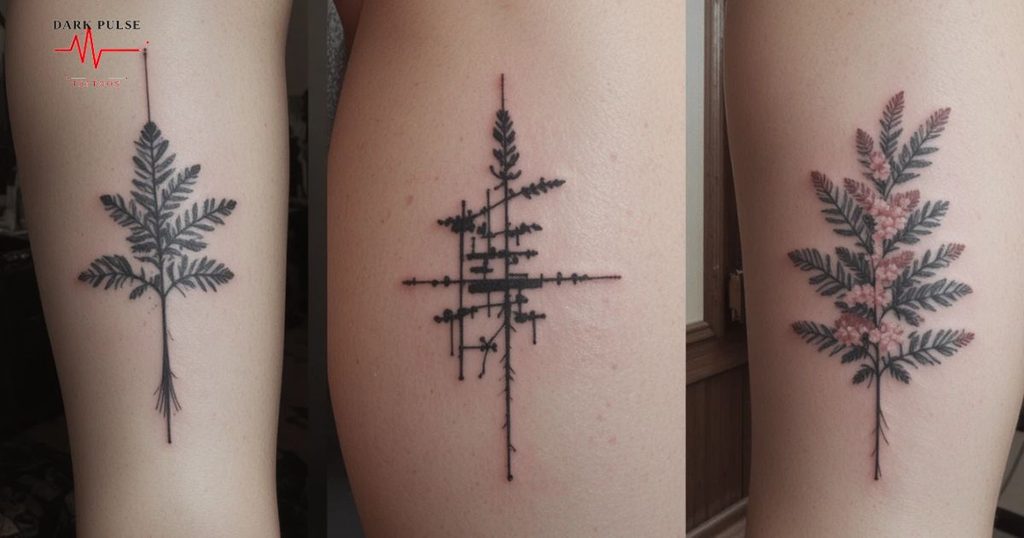
Minimalist tattoos focus on simplicity. They may use a few clean lines, a small symbol, an outline, or a simple composition to communicate an idea without excessive detail. The style works especially well for people who want understated body art.
Minimalist designs can be extremely personal despite their small size. A tiny heart might represent love, a mountain can symbolize adventure, and a simple date can mark an important memory. Because these tattoos often have limited visual elements, careful sizing and placement are important.
Best Design Ideas
Consider a tiny heart, moon, mountain, flower, initial, wave, star, animal outline, or meaningful symbol.
8. Blackwork Tattoos
Blackwork is centered around black ink and can include solid fills, bold graphic shapes, intricate patterns, illustrative artwork, and large areas of negative space. It is a broad category rather than one single visual formula, which gives artists considerable creative freedom.
Some blackwork tattoos are extremely bold, while others use delicate linework and carefully planned negative space. The style can therefore suit both small graphic tattoos and large sleeves. Strong contrast is usually one of its defining characteristics.
Read Also: 101+ Fine Line Tattoo Ideas for Women: Elegant & Minimal Designs
Best Design Ideas
Blackwork works well for abstract designs, animals, botanical pieces, geometric patterns, skulls, ornamental artwork, and dramatic sleeves.
9. Geometric Tattoos
Geometric tattoos use shapes, symmetry, repetition, precise lines, and structured compositions. Circles, triangles, hexagons, mandalas, tessellations, and geometric frames are common elements. The style can also combine structured geometry with animals, flowers, landscapes, or realistic subjects.
Precision is particularly important in this style. Uneven lines, inconsistent spacing, or poorly planned placement can become noticeable because the eye naturally looks for symmetry. An experienced geometric tattoo artist can adapt the design to the body’s shape while keeping the overall structure balanced.
Best Design Ideas
Mandalas, sacred-geometry-inspired patterns, geometric animals, symmetrical shapes, bands, polygons, and abstract patterns are strong choices.
10. Dotwork Tattoos
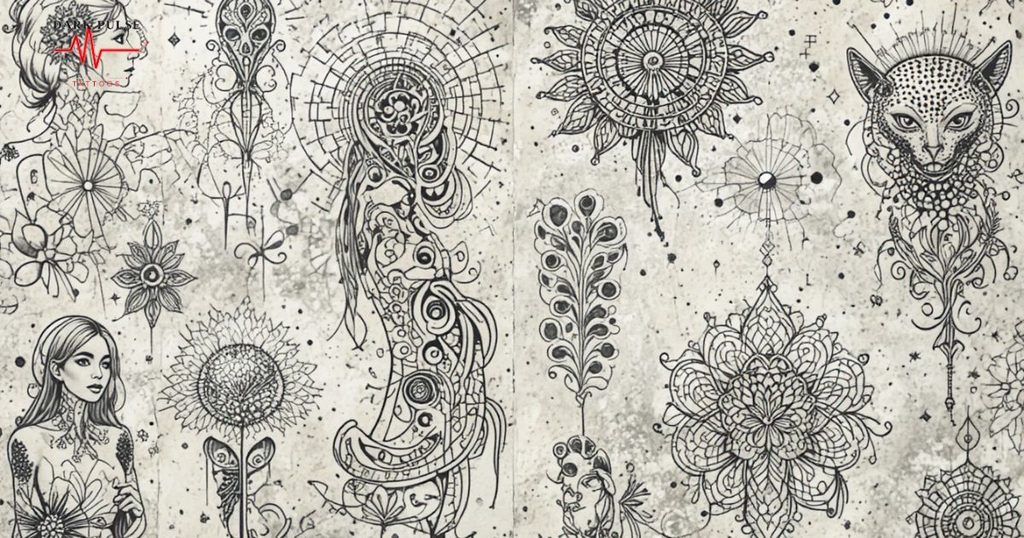
Dotwork creates shading, texture, or entire designs through individual dots. By changing the density of the dots, artists can create areas that appear darker or lighter without relying on conventional smooth shading.
Dotwork is frequently combined with geometric and ornamental tattooing. It can create a distinctive textured appearance that works especially well for mandalas, spiritual imagery, botanical designs, and intricate patterns. Pure dotwork can be especially time-intensive because every element is constructed through individual marks.
Best Design Ideas
Mandalas, sacred geometry, ornamental patterns, ferns, flowers, religious symbols, and abstract designs are popular.
11. Watercolor Tattoos
Watercolor tattoos are designed to imitate the visual qualities of watercolor painting. Soft color transitions, painterly marks, splashes, and loose edges replace some of the heavy outlining seen in traditional tattooing. The result can feel artistic, light, and expressive.
Many watercolor tattoos combine painterly color with fine-line structure. This gives the artist enough definition to keep the subject recognizable while still creating the impression of painted color. Because watercolor effects can be delicate, discuss the artist’s approach to contrast and long-term appearance before choosing this style.
Best Design Ideas
Flowers, birds, butterflies, abstract artwork, landscapes, feathers, and colorful animals can work beautifully in watercolor.
12. Illustrative Tattoos
Illustrative tattoos make the skin feel like a page from an illustrated book. They often use visible linework, stylized shading, texture, and artistic interpretation instead of attempting to reproduce a subject exactly as a photograph would.
This style gives artists plenty of freedom to exaggerate shapes, simplify details, or combine realistic and imaginative elements. It is a great choice when you want something that looks clearly hand-drawn rather than purely photorealistic.
Best Design Ideas
Storybook animals, botanical drawings, fantasy scenes, insects, mythical creatures, and conceptual artwork suit this style.
13. Ornamental Tattoos
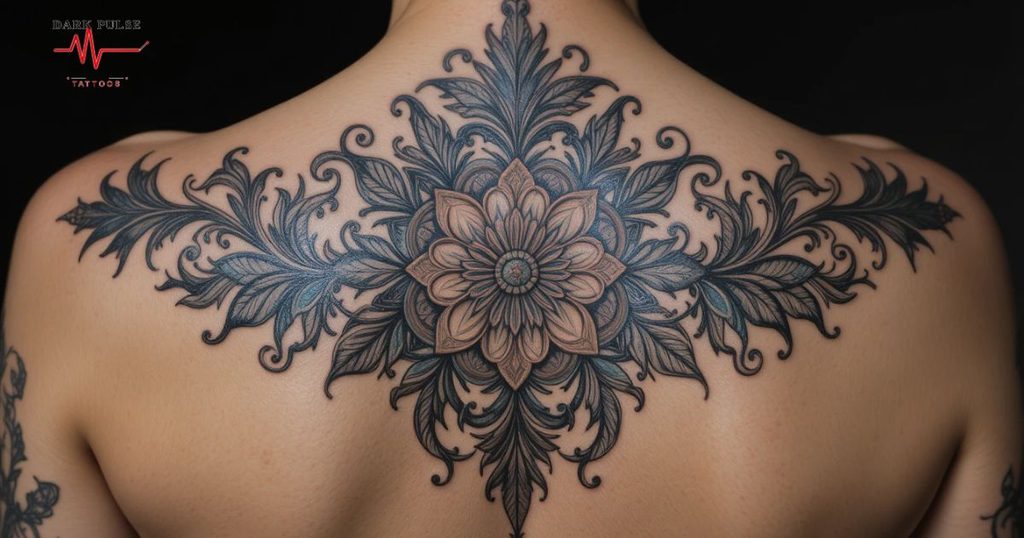
Ornamental tattoos are inspired by decorative patterns and can resemble jewelry, lace, filigree, mandalas, or intricate body adornment. Symmetry and carefully arranged details are often important to the overall design.
The style can be delicate or bold depending on the line weight and amount of black ink. Ornamental tattoos are particularly effective when the design follows the body’s natural shape, making placements such as the sternum, shoulder, thigh, forearm, and back especially interesting.
Best Design Ideas
Mandalas, lace patterns, decorative flowers, symmetrical ornaments, jewelry-inspired designs, and flowing sternum pieces are popular.
14. Script and Lettering Tattoos
Script and lettering tattoos use words, names, dates, quotes, lyrics, or individual letters as the main subject. Typography can dramatically change the personality of the tattoo, from elegant handwritten scripts to bold Gothic lettering.
The most important consideration is readability. A beautiful font is not useful if the letters are too crowded or too small to remain clear. Choose an artist experienced in lettering and make sure the final size gives the words enough room.
Best Design Ideas
Names, meaningful words, short quotes, Roman numerals, handwritten messages, dates, and initials can all work well.
15. Sketch-Style Tattoos
Sketch tattoos intentionally imitate the loose appearance of pencil drawings, rough illustrations, or unfinished artwork. They can include overlapping lines, expressive strokes, and an intentionally imperfect quality.
This style is useful if you want a tattoo that feels artistic rather than polished in the traditional sense. It can be combined with realistic shading, watercolor color, or fine-line elements to create a more complex composition.
Best Design Ideas
Portraits, animals, flowers, faces, architecture, abstract subjects, and creative character designs are good options.
16. Surrealist Tattoos
Surrealist tattoos take familiar subjects and place them into unusual, dreamlike, or impossible situations. A melting clock, an eye inside a flower, a floating face, or an animal combined with another object can create a memorable piece.
The style is less about reproducing reality and more about communicating an idea or emotion through unexpected imagery. It is particularly suited to people who want tattoo art that feels personal, mysterious, and imaginative.
Best Design Ideas
Dreamlike landscapes, distorted faces, floating objects, unusual animal combinations, eyes, clocks, and symbolic scenes work well.
17. New School Tattoos
New School tattooing is known for exaggerated proportions, strong outlines, bright colors, cartoon-like characters, and energetic compositions. The style draws influence from animation, comics, graffiti, and contemporary illustration.
Unlike traditional tattoos, New School pieces can intentionally distort perspective and exaggerate features. This makes them a good option for people who want something playful, colorful, and visually loud.
Best Design Ideas
Cartoon characters, colorful animals, fantasy creatures, exaggerated portraits, graffiti-inspired artwork, and humorous designs are popular choices.
18. Micro-Realism Tattoos
Micro-realism takes realistic imagery and scales it down into a relatively small tattoo. Portraits, animals, landscapes, flowers, and tiny objects can all be rendered with substantial detail.
Because the design is small, choosing an experienced artist is especially important. Too much detail packed into too little space can affect readability as the tattoo settles and ages. The artist needs to balance realism with the physical limitations of tattooing.
Best Design Ideas
Tiny portraits, miniature landscapes, realistic flowers, small animals, buildings, and symbolic objects are common.
19. Tribal and Indigenous-Inspired Tattoos
Tribal tattooing is a broad term that can refer to very different cultural traditions. Polynesian, Māori, Samoan, and other Indigenous tattoo traditions have their own histories, symbols, techniques, and meanings, so they should not be treated as one interchangeable style.
If you’re interested in a culturally specific tattoo, learn about the tradition first and work with an artist who understands its cultural context. Avoid copying sacred or identity-specific designs simply because they look attractive.
Best Design Ideas
For culturally specific work, the best approach is to discuss your intended meaning and background with an artist connected to or knowledgeable about that tradition.
20. Gothic Tattoo Style
Gothic tattoos often feature dark imagery, dramatic lettering, religious or architectural elements, skulls, roses, crosses, bats, occult-inspired motifs, and strong blackwork.
The style can range from delicate Gothic ornamentation to extremely heavy blackwork. Combining dark imagery with fine-line details or ornamental patterns can create a more sophisticated look without making the entire tattoo overly heavy.
Best Design Ideas
Gothic lettering, cathedral windows, roses, skulls, bats, crosses, medieval symbols, and dark ornamental compositions are popular choices.
How to Choose the Right Tattoo Style
Choosing a tattoo style should begin with the overall look you want rather than simply searching for the most popular design. Think about whether you prefer bold or delicate lines, black ink or color, realistic or stylized artwork, and simple or highly detailed compositions. Current tattoo style guides consistently emphasize that each style has different technical requirements, so the artist’s specialty matters as much as the idea itself.
Placement and size should come next. A tiny fine-line design needs a different approach from a large Japanese sleeve, while a geometric mandala requires enough room for symmetry and spacing. Think about how the design follows the body’s shape, how visible you want it to be, and how much detail can realistically fit in the chosen area.
Which Tattoo Styles Age Well?
Tattoo aging depends on several factors, including ink placement, line weight, spacing, design size, sun exposure, skin changes, and the artist’s technique. Very delicate designs can soften over time, while designs with strong contrast and sufficient spacing tend to remain easier to read.
This doesn’t mean you should avoid fine line, watercolor, or other delicate styles. Instead, work with an experienced artist who understands how tattoos change as they heal and age. A good artist can adjust the size, spacing, contrast, and amount of detail to create a design that has a better chance of remaining attractive long term.
How to Find the Best Tattoo Artist for Your Style
Don’t choose an artist only because you like one tattoo in their portfolio. Look for consistent examples of the exact style you’re interested in. An artist who specializes in realism may not be the best choice for geometric work, and a talented fine-line artist may not specialize in large blackwork sleeves.
Whenever possible, look at healed tattoos as well as fresh work. Fresh tattoos can appear sharper and more saturated than healed pieces, so healed examples give you a better idea of how the artist’s work settles. During a consultation, discuss your reference images, desired placement, size, colors, and long-term expectations.
Tattoo Styles at a Glance
| Tattoo Style | Main Characteristics | Popular Subjects |
|---|---|---|
| American Traditional | Bold outlines, solid colors | Roses, eagles, anchors |
| Neo-Traditional | Bold lines, detailed shading | Animals, flowers, portraits |
| Japanese | Flowing compositions, symbolism | Koi, dragons, waves |
| Realism | Photorealistic detail | Portraits, animals |
| Black & Grey | Monochrome shading | Portraits, religious art |
| Fine Line | Thin, precise lines | Flowers, symbols, script |
| Minimalist | Simple, clean designs | Small symbols, outlines |
| Blackwork | Strong black contrast | Abstract, graphic designs |
| Geometric | Symmetry and shapes | Mandalas, patterns |
| Dotwork | Stippled dots | Mandalas, geometry |
| Watercolor | Soft, painterly color | Flowers, birds, landscapes |
| Illustrative | Drawing-like artwork | Animals, fantasy |
| Ornamental | Decorative patterns | Mandalas, filigree |
| New School | Bright, exaggerated artwork | Characters, animals |
| Gothic | Dark, dramatic imagery | Skulls, roses, lettering |
Frequently Asked Questions
What are the most popular tattoo styles?
American Traditional, Japanese, realism, fine line, blackwork, geometric, minimalist, watercolor, Neo-Traditional, and dotwork are among the most commonly recognized tattoo styles today.
Which tattoo style is best for beginners?
There is no single best style for everyone. A small minimalist or fine-line tattoo may be appealing for someone who wants subtle artwork, while bold traditional designs can be a strong option for someone who prefers high-contrast tattoos.
What tattoo style lasts the longest?
Longevity depends on design, placement, technique, skin, and aftercare. Styles with clear lines, strong contrast, adequate spacing, and enough size generally remain easier to read as they age.
What is the difference between traditional and neo-traditional tattoos?
American Traditional typically uses bold outlines, solid fills, limited colors, and classic imagery. Neo-Traditional keeps some of that bold foundation but usually adds more detail, shading, color variation, and illustrative complexity.
How do I know which tattoo style suits me?
Start by saving examples of tattoos you genuinely like, then look for patterns in their linework, colors, shading, and composition. Once you’ve narrowed it down, find an artist who specializes in that style and ask how it can be adapted to your preferred placement.
Conclusion
Tattoo styles give you a way to turn the same basic idea into completely different artwork. Whether you prefer the timeless boldness of American Traditional, the storytelling of Japanese tattooing, the precision of geometric work, the subtle appearance of fine line, or the detail of realism, each style brings its own character to the skin.
The best choice isn’t necessarily the trendiest style it’s the one that fits your personality, design idea, placement, and long-term expectations. Explore different portfolios, understand what each style requires, and choose an experienced artist who consistently works in the direction you love. That approach gives you a much better chance of ending up with a tattoo that feels genuinely yours.