
Ancient Egyptian culture has fascinated people for thousands of years with its mysterious symbols, powerful gods, royal figures, and deep spiritual beliefs. Today, Egyptian tattoos are among the most popular ancient-inspired tattoo styles, especially in the USA, because they combine artistic beauty with meaningful symbolism.
From the iconic Ankh representing life to the Eye of Horus symbolizing protection, Egyptian tattoo designs allow people to express ideas like strength, wisdom, transformation, spirituality, and personal growth. These tattoos are not just decorative artwork; many people choose them because they represent personal beliefs, life experiences, or connections with ancient history.
Whether you are looking for a small minimalist Egyptian tattoo, a detailed sleeve design, or a realistic portrait of Cleopatra or an Egyptian god, understanding the meaning behind each symbol can help you choose a design that feels personal and authentic.
What Are Egyptian Tattoos?
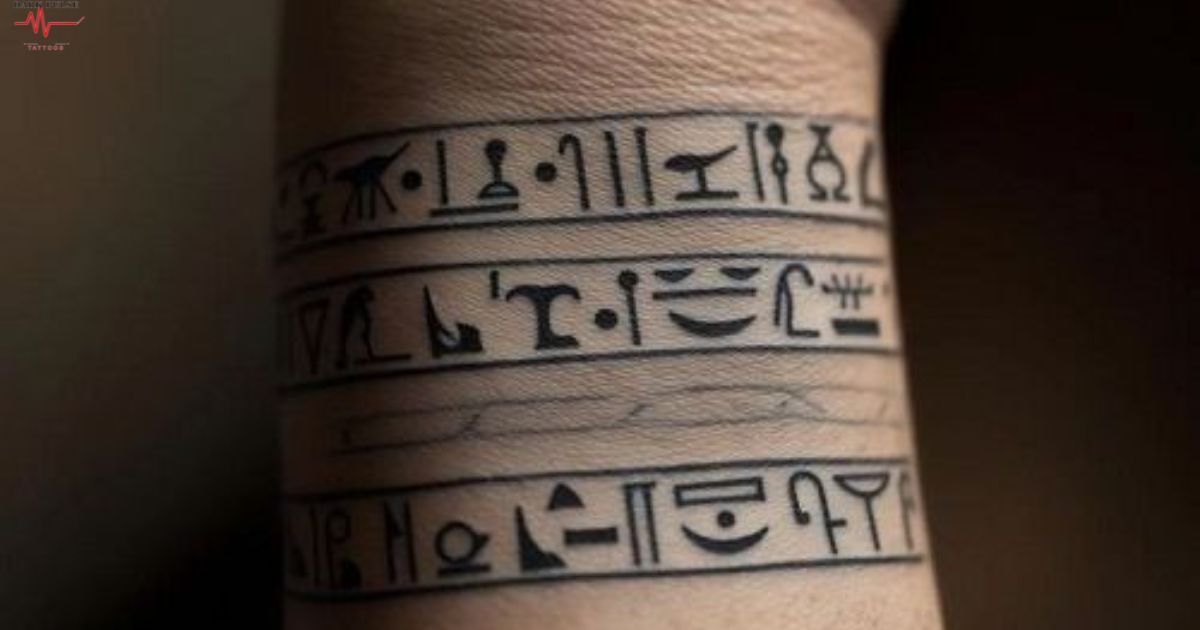
Egyptian tattoos are body art designs inspired by the symbols, mythology, artwork, and history of ancient Egypt. These tattoos often feature famous Egyptian elements such as hieroglyphics, pyramids, pharaohs, gods, animals, and spiritual symbols.
Ancient Egyptians used symbols as a way to communicate beliefs about life, death, protection, and the universe. Many of these symbols have survived for thousands of years and continue to inspire modern tattoo artists.
In modern tattoo culture, Egyptian-inspired designs are popular because they offer a combination of:
- Deep historical meaning
- Unique visual appearance
- Spiritual symbolism
- Connection to ancient civilizations
- Personal storytelling
For many people, an Egyptian tattoo represents more than a design. It can symbolize overcoming challenges, seeking protection, honoring heritage, or embracing personal transformation.
The Meaning Behind Egyptian Tattoos
The meaning of an Egyptian tattoo depends on the symbol, design style, and personal interpretation. While ancient Egyptian symbols had specific cultural meanings, modern tattoo wearers often give them personal significance.
Protection and Spiritual Strength
Many Egyptian symbols were believed to provide protection against negative forces. Ancient Egyptians commonly used protective symbols in jewelry, artwork, and burial objects.
For example, the Eye of Horus was considered a powerful symbol of safety, healing, and protection. Today, many people choose this tattoo as a reminder of strength and resilience.
Other protective Egyptian tattoo ideas include:
- Eye of Horus
- Ankh
- Scarab beetle
- Egyptian gods and goddesses
- Protective hieroglyphic symbols
These designs are often chosen by people who want a tattoo representing security, confidence, and inner power.
Power, Wisdom, and Royalty
Ancient Egyptian rulers, especially pharaohs, represented authority, leadership, and divine connection. Pharaoh tattoos are popular because they symbolize ambition, confidence, and strength.
A pharaoh tattoo may represent:
- Leadership qualities
- Personal success
- Determination
- Respect for history
- Inner authority
Similarly, Egyptian gods such as Ra and Osiris are often associated with wisdom, power, and cosmic balance.
Life, Death, and Rebirth
One of the most important themes in ancient Egyptian culture was the cycle of life, death, and rebirth. Egyptians believed that life continued beyond physical existence, which influenced their artwork, architecture, and religious practices.
Many Egyptian tattoos represent:
- New beginnings
- Personal transformation
- Growth after difficulties
- Spiritual journeys
- Immortality
Symbols like the Ankh and Scarab beetle are especially connected with these ideas
Ankh Tattoo (Symbol of Life)
The Ankh is one of the most recognizable Egyptian symbols. It resembles a cross with a loop at the top and was known as the “key of life.”
In ancient Egyptian culture, the Ankh represented:
- Life
- Eternal existence
- Fertility
- Spiritual energy
- Connection between earthly and divine worlds
Today, an Ankh tattoo is popular among people who want a simple but meaningful design. It can work well as a small wrist tattoo, neck tattoo, or part of a larger Egyptian sleeve.
Common Ankh tattoo styles include:
- Minimal black ink Ankh
- Ankh with wings
- Ankh combined with flowers
- Ankh with hieroglyphics
- Realistic gold-style designs
Eye of Horus Tattoo
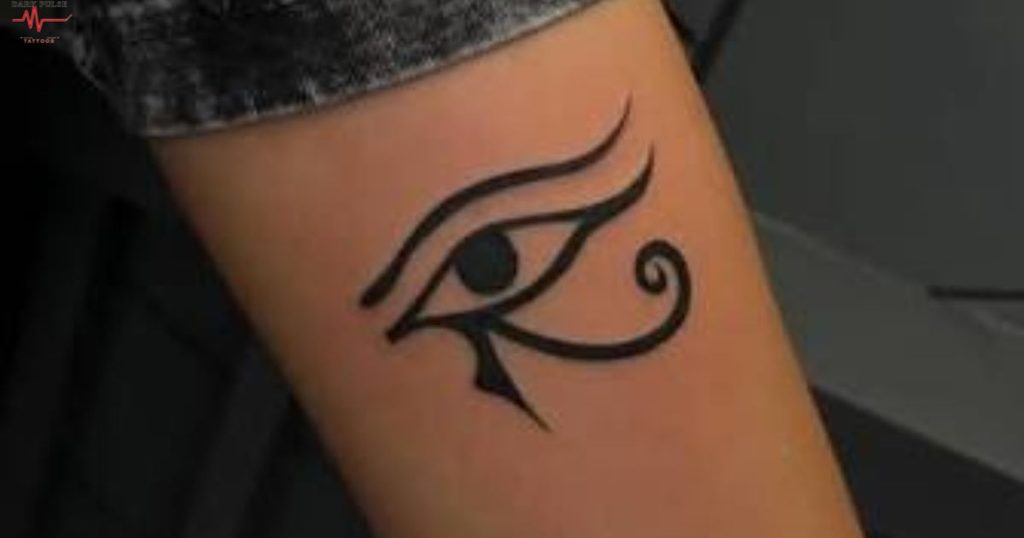
The Eye of Horus is one of the most famous Egyptian tattoo designs. It comes from the story of Horus, an ancient Egyptian god associated with the sky, protection, and kingship.
The symbol traditionally represents:
- Protection
- Healing
- Awareness
- Good health
- Royal power
Many people choose an Eye of Horus tattoo as a symbol of protection and guidance.
Popular placements include:
- Forearm
- Wrist
- Chest
- Shoulder
- Behind the ear
The design can be customized with geometric patterns, realistic shading, or traditional Egyptian artwork.
Scarab Tattoo
The scarab beetle was a powerful symbol in ancient Egypt. Egyptians associated the scarab with rebirth, renewal, and transformation because of its connection to the sun and the cycle of life.
A scarab tattoo may symbolize:
- Change
- Growth
- New opportunities
- Strength through challenges
- Personal evolution
Modern scarab tattoos often include detailed wings, gemstones, Egyptian patterns, or colorful elements.
Egyptian Pharaoh Tattoos
Pharaoh tattoos are popular among people who admire Egyptian history and want a bold, powerful design.
These tattoos often represent:
- Leadership
- Strength
- Confidence
- Royal status
- Ambition
Realistic pharaoh portraits require a highly skilled tattoo artist because they involve detailed facial features, clothing, jewelry, and historical elements.
Popular pharaoh tattoo ideas include:
- King Tutankhamun portraits
- Pharaoh with a crown
- Pharaoh surrounded by Egyptian symbols
- Black and grey realistic designs
Cleopatra Tattoos
Cleopatra is one of history’s most famous Egyptian figures. She is remembered for her intelligence, leadership, beauty, and political influence.
A Cleopatra tattoo can symbolize:
- Confidence
- Independence
- Intelligence
- Feminine strength
- Power
Many tattoo designs show Cleopatra with:
- Egyptian jewelry
- Traditional makeup
- Royal clothing
- Gold accents
- Ancient Egyptian backgrounds
Egyptian Gods and Goddesses Tattoos
Egyptian mythology offers countless tattoo inspirations because each god and goddess represents different qualities.
Anubis Tattoo
Anubis, the jackal-headed god, is associated with protection, death rituals, and guidance into the afterlife.
Anubis tattoos often symbolize:
- Protection
- Mystery
- Transition
- Strength
Isis Tattoo
Isis was a powerful goddess associated with motherhood, healing, magic, and protection.
An Isis tattoo may represent:
- Love
- Healing
- Family
- Feminine power
Ra Tattoo
Ra was the ancient Egyptian sun god and one of the most important deities.
A Ra tattoo symbolizes:
- Energy
- Creation
- Light
- Power
Bastet Tattoo
Bastet, the cat goddess, represented protection, home, and happiness.
A Bastet tattoo may represent:
- Independence
- Grace
- Protection
- Balance
Popular Egyptian Tattoo Design Ideas
Egyptian tattoos offer endless creative possibilities because ancient Egyptian art includes detailed symbols, mythology, architecture, and historical figures. Whether you prefer a simple design or a large statement piece, there are many styles to match your personality and tattoo goals.
Small Egyptian Tattoos
Small Egyptian tattoos are a great choice for people who want meaningful artwork without a large commitment. Minimal designs can still carry powerful symbolism while being easy to place on areas like the wrist, ankle, finger, or behind the ear.
Popular small Egyptian tattoo ideas include:
- Small Ankh symbol
- Eye of Horus
- Tiny scarab beetle
- Egyptian hieroglyphics
- Minimal pyramid design
- Small Egyptian cat (Bastet)
Small tattoos are also easier to customize and usually require less time and cost compared with larger, detailed designs.
Realistic Egyptian Tattoos
Realistic Egyptian tattoos focus on detailed artwork that looks similar to ancient statues, paintings, or historical figures. These designs require an experienced tattoo artist who understands shading, proportions, and fine details.
Common realistic Egyptian tattoo ideas include:
- Pharaoh portraits
- Cleopatra faces
- Egyptian gods
- Ancient temples
- Detailed Anubis designs
- Realistic scarab beetles
Realistic tattoos often use black and grey shading to create depth, but some artists add gold, blue, or green tones inspired by traditional Egyptian artwork.
Black and Grey Egyptian Tattoos
Black and grey Egyptian tattoos are among the most popular styles because they create a timeless and sophisticated appearance.
This style works especially well for:
- Pharaoh portraits
- Egyptian statues
- Anubis tattoos
- Temple designs
- Hieroglyphic artwork
The contrast created by black ink and shading helps highlight fine details while maintaining a classic tattoo look.
Egyptian Sleeve Tattoos
An Egyptian sleeve tattoo allows multiple symbols and stories to be combined into one large piece of artwork.
A full Egyptian sleeve may include:
- Pharaohs
- Gods and goddesses
- Ankh symbols
- Eye of Horus
- Pyramids
- Hieroglyphics
- Ancient Egyptian landscapes
A skilled artist can connect these elements into a flowing design that tells a complete story rather than looking like separate images.
Egyptian Neck, Chest, and Back Tattoos
Large body areas provide more space for detailed Egyptian artwork.
Chest Egyptian Tattoos
The chest is a popular location for powerful designs such as:
- Large Anubis tattoos
- Pharaoh portraits
- Wings with Egyptian symbols
- Sacred geometry designs
Back Egyptian Tattoos
The back provides the largest canvas for complex artwork, including:
- Egyptian temples
- Full mythology scenes
- Multiple gods
- Historical stories
Neck Egyptian Tattoos
Neck tattoos create a bold appearance and are often chosen for smaller but highly visible symbols like:
- Eye of Horus
- Ankh
- Hieroglyphic patterns
Best Placement Ideas for Egyptian Tattoos
Choosing the right placement is important because Egyptian tattoos often contain detailed symbols that need enough space to remain clear.
Arm and Forearm Egyptian Tattoos
The arm is one of the most common tattoo locations because it offers visibility and flexibility.
Benefits include:
- Easy to show or cover
- Suitable for small and medium designs
- Works well for detailed artwork
Popular choices include:
- Eye of Horus
- Ankh
- Pharaoh portraits
- Egyptian sleeves
Shoulder Egyptian Tattoos
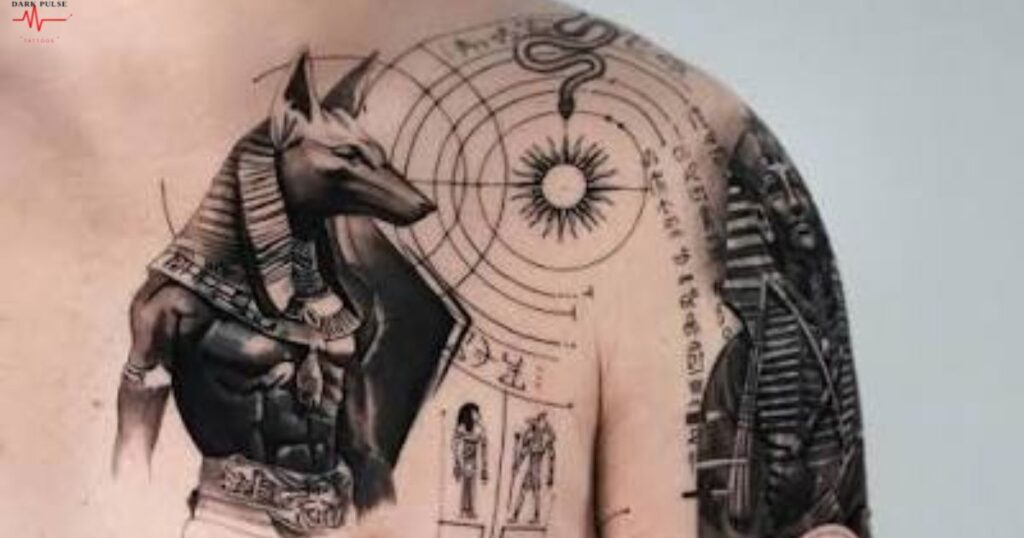
The shoulder provides a natural curve that works well with circular symbols and larger designs.
Popular shoulder designs include:
- Scarab beetles
- Egyptian gods
- Winged symbols
- Temple artwork
Chest Egyptian Tattoos
Chest tattoos create a strong visual impact and are ideal for meaningful personal designs.
Common choices:
- Large Anubis designs
- Pharaoh artwork
- Egyptian mythology scenes
Leg Egyptian Tattoos
The leg provides plenty of space for vertical designs.
Popular leg tattoo ideas include:
- Egyptian columns
- Full-body gods
- Hieroglyphic patterns
- Scarab designs
Are Egyptian Tattoos Still Popular Today?
Yes, Egyptian tattoos continue to be highly popular in modern tattoo culture. Their popularity comes from a combination of historical mystery, powerful symbolism, and visually impressive artwork.
Many people in the USA choose Egyptian tattoos because they represent timeless ideas such as:
- Strength
- Protection
- Wisdom
- Transformation
- Spiritual connection
Social media platforms have also increased interest in Egyptian-inspired designs by allowing tattoo artists to showcase detailed work from around the world.
Modern tattoo trends include:
- Minimal Egyptian symbols
- Realistic mythology portraits
- Black and grey ancient artwork
- Egyptian and geometric combinations
- Neo-traditional Egyptian designs
Things to Consider Before Getting an Egyptian Tattoo
Before choosing an Egyptian tattoo design, it is important to understand the meaning behind the symbol you want.
Research the Symbol’s Meaning
Ancient Egyptian symbols had specific cultural and religious meanings. Learning about the history behind your tattoo can help you choose a design that feels authentic.
For example:
- Ankh = life and eternity
- Eye of Horus = protection and healing
- Scarab = rebirth and transformation
- Anubis = guidance and protection
Choose an Authentic Design
Many tattoo designs combine different Egyptian symbols for artistic purposes. However, understanding the original meaning helps create a more respectful and meaningful tattoo.
Avoid choosing symbols only because they look attractive. A tattoo with personal meaning often remains more valuable over time.
Think About Size and Detail
Some Egyptian designs require enough space to show details properly.
For example:
- Small symbols work well on wrists and fingers
- Detailed portraits need larger areas like arms, chest, or back
- Sleeve designs require careful planning
Choose the Right Tattoo Artist
Egyptian tattoos often include complex details, especially when featuring:
- Faces
- Ancient artwork
- Hieroglyphics
- Fine line patterns
Choosing an artist experienced with realistic or symbolic tattoos can significantly improve the final result.
How Much Do Egyptian Tattoos Cost?
The cost of an Egyptian tattoo depends on several factors, including size, complexity, location, and the artist’s experience.
Average tattoo pricing in the USA may vary:
- Small Egyptian tattoo: $50–$200
- Medium design: $200–$600
- Large realistic tattoo: $800–$2,500+
- Full sleeve Egyptian tattoo: $1,500–$5,000+
Factors that influence price include:
- Tattoo artist reputation
- Studio location
- Level of detail
- Number of sessions required
- Custom artwork preparation
A simple symbol may take less than an hour, while a realistic Egyptian sleeve may require multiple sessions.
How to Choose the Right Egyptian Tattoo Artist
Choosing the right tattoo artist is one of the most important steps when getting an Egyptian tattoo. These designs often include historical symbols, detailed faces, and complex patterns that require skill and experience.
A talented artist can transform your idea into a meaningful piece of artwork while maintaining accurate details and high-quality execution.
Review the Artist’s Portfolio
Before booking an appointment, check the artist’s previous work. Look for experience with styles similar to your desired Egyptian tattoo.
Pay attention to:
- Realistic portrait tattoos
- Fine line details
- Black and grey shading
- Symbol accuracy
- Clean line work
- Large-scale compositions
If you want a realistic Anubis, Cleopatra, or Pharaoh tattoo, choose an artist who has experience creating realistic faces and detailed designs.
Look for Experience With Symbolic Tattoos
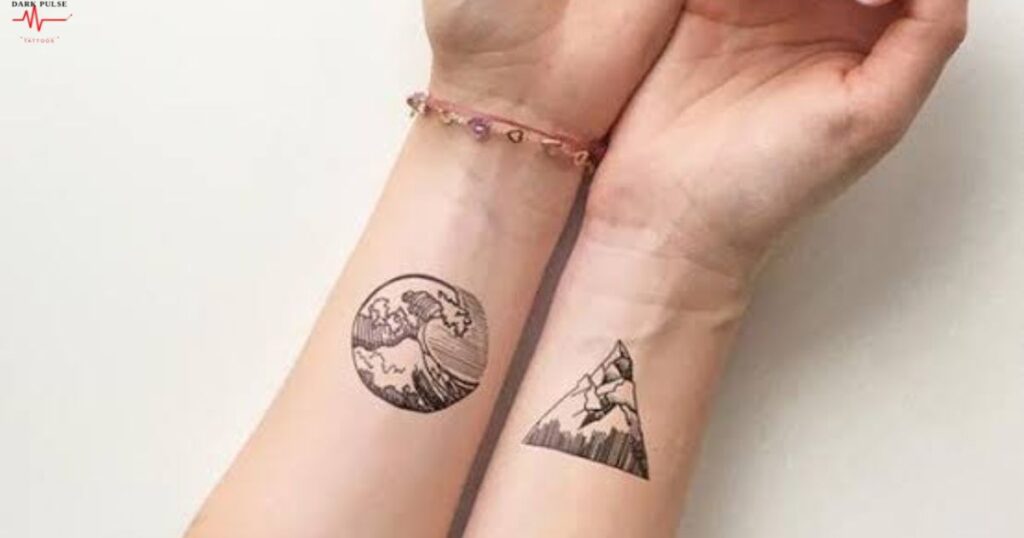
Egyptian tattoos are not just decorative; many symbols have deep historical meanings. An artist who understands symbolic tattoos can help create a design that feels authentic and balanced.
A knowledgeable artist can help you decide:
- Which symbols work well together
- How to arrange multiple elements
- What size is best
- How to make the tattoo unique
Check Hygiene and Professional Standards
A professional tattoo studio should always follow strict hygiene practices.
Before choosing an artist, check whether the studio:
- Uses sterilized equipment
- Uses new needles for every client
- Maintains a clean environment
- Follows proper safety procedures
- Provides clear aftercare instructions
A beautiful tattoo is only valuable when it is created safely.
Consider Custom Designs
Many people choose Egyptian tattoos because they want something personal and meaningful. Instead of copying a common design, consider working with an artist to create a custom tattoo.
A custom Egyptian tattoo can combine:
- Your favorite symbols
- Personal experiences
- Unique artwork
- Different Egyptian elements
This creates a tattoo that represents your individual story.
Egyptian Tattoo Aftercare Guide
Proper aftercare is essential for keeping your Egyptian tattoo looking sharp and preventing complications during healing.
A fresh tattoo is essentially an open wound, so taking care of it properly helps preserve the quality of the artwork.
Keep the Tattoo Clean
Follow your artist’s cleaning instructions carefully.
General care usually includes:
- Washing your hands before touching the tattoo
- Gently cleaning the area with mild soap
- Avoiding harsh scrubbing
- Patting the tattoo dry with a clean towel
Keeping the tattoo clean helps reduce the risk of infection.
Apply Recommended Moisturizer
After cleaning, apply a thin layer of tattoo-friendly moisturizer or aftercare product.
Avoid applying too much product because excessive moisture can slow healing.
A properly moisturized tattoo helps:
- Prevent dryness
- Reduce itching
- Maintain skin health
- Support healing
Avoid Direct Sun Exposure
Sunlight can damage fresh tattoos and cause fading over time.
During healing:
- Keep the tattoo covered when outdoors
- Avoid tanning
- Use sunscreen after the tattoo has fully healed
UV protection helps preserve the details of Egyptian tattoo designs.
Do Not Scratch or Pick the Tattoo
During healing, tattoos often become itchy and may peel slightly. This is normal.
Avoid:
- Scratching
- Removing scabs
- Peeling skin
Allow the tattoo to heal naturally to protect the final appearance.
Follow Your Tattoo Artist’s Advice
Every tattoo heals differently. Your artist may provide specific instructions depending on:
- Tattoo size
- Ink style
- Placement
- Your skin type
Following professional guidance gives your tattoo the best chance of healing properly.
Pros and Cons of Egyptian Tattoos
Like any tattoo style, Egyptian tattoos have advantages and considerations to think about before making a decision.
Pros of Egyptian Tattoos
Deep Symbolic Meaning
One of the biggest advantages of Egyptian tattoos is their rich symbolism.
Many designs represent powerful concepts such as:
- Protection
- Life
- Strength
- Wisdom
- Transformation
Unique and Timeless Designs
Egyptian artwork has remained popular for thousands of years. Unlike some temporary trends, ancient Egyptian symbols continue to have cultural and artistic value.
Relevant Post……….30 Snake Tattoo Ideas: Unique Designs, Meanings & Placement Inspiration
Many Design Options
There are countless Egyptian tattoo styles available, including:
- Minimal symbols
- Realistic portraits
- Mythological designs
- Geometric patterns
- Full sleeves
This makes it easy to find a design that matches your personality.
Strong Visual Appeal
Egyptian tattoos often include bold shapes, detailed patterns, and interesting historical elements, making them visually striking.
Cons of Egyptian Tattoos
Detailed Designs Can Be Expensive
Highly detailed Egyptian tattoos require more time and skill, which can increase the cost.
Realistic designs especially may require multiple sessions.
Some Symbols May Be Misunderstood
Because Egyptian symbols have historical meanings, some people may interpret them differently than intended.
Researching your chosen symbol can help avoid misunderstandings.
Large Tattoos Require Commitment
Large Egyptian tattoos such as sleeves or back pieces require:
- More time
- More money
- More aftercare
- Greater commitment
Choosing a design carefully is important because tattoos are long-term decisions.
Frequently Asked Questions
What Does an Egyptian Tattoo Symbolize?
An Egyptian tattoo can symbolize different things depending on the design.For example, the Ankh represents life, while the Eye of Horus represents protection and healing.
Is It Okay to Get an Egyptian Tattoo If You Are Not Egyptian?
Yes, many people around the world choose Egyptian tattoos because they appreciate ancient Egyptian history, artwork, and symbolism.
What Is the Most Popular Egyptian Tattoo Symbol?
Some of the most popular Egyptian tattoo symbols include:
- Ankh
- Eye of Horus
- Scarab beetle
- Anubis
- Cleopatra
- Pharaohs
- Egyptian gods
The Ankh and Eye of Horus are especially popular because they have recognizable designs and strong meanings.
Are Egyptian Tattoos Considered Lucky?
Some Egyptian symbols were historically associated with protection, good fortune, and spiritual power.
For example, the Eye of Horus was believed to provide protection, while the scarab represented renewal and positive change.
Conclusion
Egyptian tattoos remain popular because they combine ancient history, artistic beauty, and meaningful symbolism. Whether you choose an Ankh for life, an Eye of Horus for protection, an Anubis design for strength, or a Pharaoh portrait for leadership, each tattoo can tell a unique story.
The best Egyptian tattoo is one that connects with your personal values while respecting the history behind the symbol. Taking time to research designs, choose an experienced tattoo artist, and follow proper aftercare will help ensure your tattoo remains meaningful and visually impressive for years.
For anyone interested in ancient civilizations, mythology, and powerful artwork, an Egyptian tattoo can be a timeless expression of identity, creativity, and personal growth.