
Tattooing is one of the oldest forms of body art, but the styles we recognize today have developed from many different cultures, artistic movements, and tattooing traditions. From bold American Traditional designs to delicate fine line work, every style has its own visual language, history, and personality. Understanding these differences can make choosing your next tattoo much easier.
Some tattoo styles developed from ancient cultural practices, while others emerged from modern art, changing technology, and influential tattoo artists. Japanese tattooing, Māori tā moko, American Traditional, blackwork, and realism, for example, all have very different histories and purposes. Ancient evidence from Egypt shows that tattooing itself dates back thousands of years, while many recognizable modern Western styles are much newer.
If you’re searching for the best tattoo styles and their origins, you’re in the right place. This guide explores popular tattoo styles, where they came from, what makes them recognizable, and what type of person or design they may suit best.
What Makes a Tattoo Style Different?
A tattoo style is more than simply the subject of a design. It describes the visual approach an artist uses, including line weight, shading, color, composition, texture, and overall technique. For example, a rose can look completely different as an American Traditional tattoo, a fine line tattoo, a realism piece, or a Japanese-inspired design.
Tattoo styles also reflect the cultures and artistic movements that influenced them. Some developed around specific communities and traditions, while others evolved as artists experimented with new machines, pigments, illustration techniques, and approaches to skin as a canvas. That’s why two tattoos featuring the same subject can communicate completely different moods.
1. American Traditional Tattoo Style
American Traditional, often called Old School, is one of the most recognizable Western tattoo styles. It is known for thick black outlines, solid color fills, limited but strong color palettes, and familiar imagery such as roses, anchors, eagles, swallows, daggers, skulls, ships, and panthers.
The style became especially influential in the United States during the late 19th and early 20th centuries, with strong connections to maritime culture, sailors, military life, and working-class communities. Tattoo artists such as Norman “Sailor Jerry” Collins helped establish and popularize many of the visual conventions associated with the style. Its simple, bold construction also makes traditional tattoos relatively easy to recognize from a distance.
Why Choose American Traditional?
This style is ideal if you want a tattoo with a classic appearance, strong symbolism, and bold visual impact. Popular choices include traditional roses for love, anchors for stability, eagles for freedom, and daggers for courage or conflict.
2. Japanese Tattoo Style
Japanese tattooing, commonly associated with Irezumi and other traditional forms, has one of the richest histories in tattoo art. Traditional Japanese designs often feature dragons, koi fish, tigers, phoenixes, peonies, chrysanthemums, waves, clouds, and other symbolic imagery. The artwork is usually designed to flow with the body’s natural shape rather than appearing like an isolated picture.
The visual language of modern Japanese tattooing was strongly influenced by Japanese woodblock prints, especially during the Edo period. Stories such as Suikoden helped popularize dramatic images of tattooed heroes and contributed to the development of large-scale compositions. Japanese tattooing also has a complicated social history, including periods when tattoos were associated with punishment and stigma.
Why Choose Japanese Tattoos?
Japanese tattoos work particularly well for large pieces such as sleeves, back tattoos, chest panels, and full-leg designs. They’re a strong choice if you want your tattoo to tell a story through symbolism, movement, and carefully connected imagery.
3. Tribal Tattoo Style
Tribal tattooing is not one single style with one origin. Indigenous communities across Polynesia, the Pacific, Southeast Asia, Africa, and other regions developed their own tattoo traditions long before modern Western tattooing. Polynesian tattoo traditions, for example, used patterns and symbols connected with identity, status, ancestry, spirituality, and community.
Māori tā moko is a particularly distinctive tradition. Māori developed techniques that could create deeply grooved patterns in the skin, while spiral motifs became strongly associated with Māori visual culture. Tā moko could communicate aspects of identity, status, genealogy, and social role, making it much more than simple decoration.
Why Choose Tribal-Inspired Work?
If you’re considering tribal tattooing, research the specific cultural tradition rather than treating all tribal patterns as interchangeable. Authentic cultural tattooing carries meanings and practices that deserve respect, particularly when designs are connected to identity or ancestry.
4. Blackwork Tattoo Style
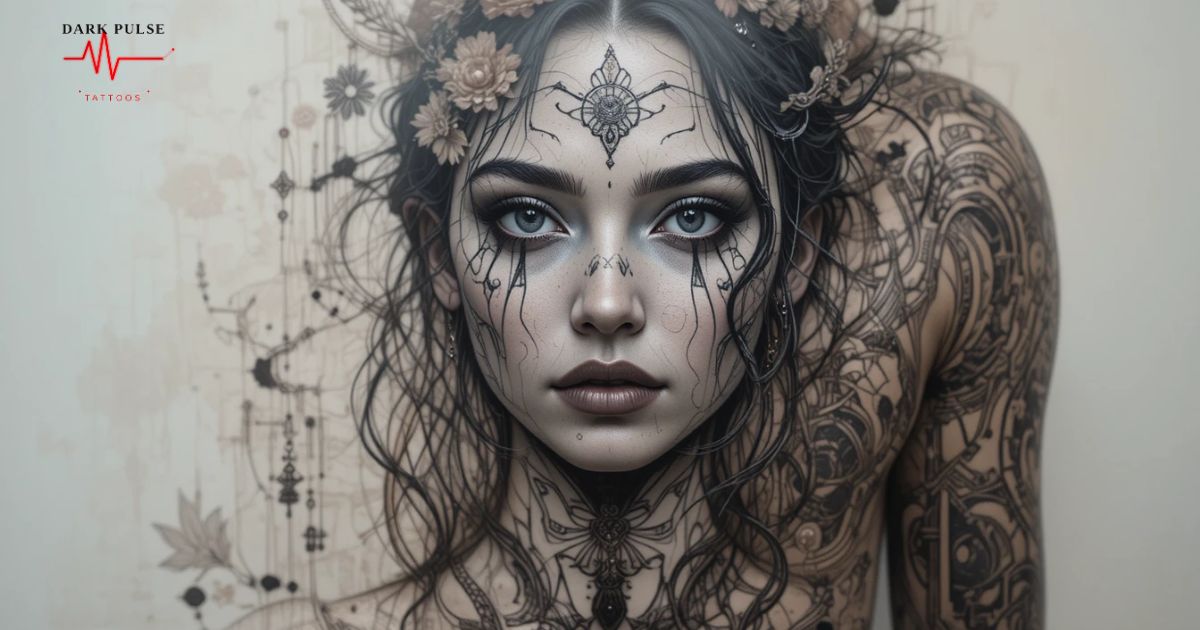
Blackwork is built primarily around black ink and strong contrast. It can include solid black shapes, geometric patterns, ornamental compositions, illustrative designs, abstract forms, and negative-space techniques. Because the category is broad, two blackwork tattoos can look dramatically different while still belonging to the same general style.
The roots of black-ink tattooing stretch across many historical tattoo traditions, while modern blackwork has developed into a flexible contemporary style. Artists use techniques such as dense fills, linework, stippling, and carefully planned negative space to create dramatic results without relying on color.
Why Choose Blackwork?
Blackwork is a great option if you prefer bold, high-contrast tattoos. It can work beautifully for sleeves, geometric pieces, abstract tattoos, large back designs, and cover-up projects.
5. Fine Line Tattoo Style
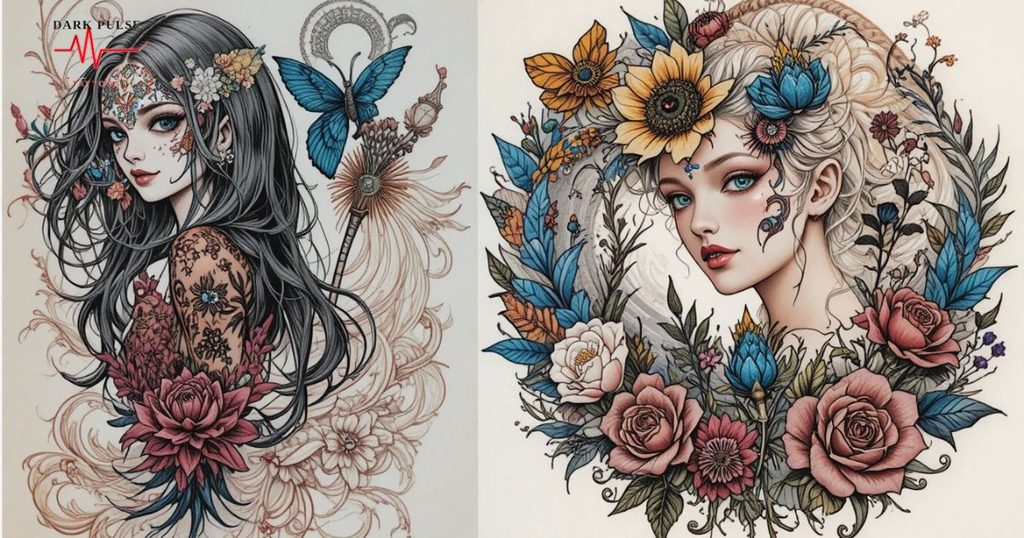
Fine line tattooing focuses on thin, delicate lines and relatively restrained visual detail. Common subjects include flowers, tiny animals, celestial symbols, handwriting, portraits, minimalist objects, and small meaningful symbols. Modern fine line work has become especially popular among people who want understated tattoos.
Unlike older tattoo traditions that often depended on heavy outlines and saturated fills, fine line work reflects contemporary preferences for subtle illustration and minimalism. The style requires considerable precision because small inconsistencies can be more noticeable when there are very few visual elements.
Read Also: 101+ Fine Line Tattoo Ideas for Women: Elegant & Minimal Designs
Why Choose Fine Line?
Fine line tattoos suit people who want elegant, discreet artwork. However, size and placement matter because very delicate details can change as tattoos naturally age. An experienced artist can help determine how much detail is realistic for your chosen size.
6. Realism and Photorealistic Tattoos
Realism attempts to make a tattoo look like a recognizable photograph or highly detailed real-life subject. Portraits, animals, flowers, landscapes, religious imagery, and realistic objects are common choices. Artists rely heavily on shading, contrast, smooth transitions, proportions, and precise details to create the illusion of depth.
Modern realism grew alongside improvements in tattoo equipment, needles, pigments, and artistic techniques. Unlike traditional tattoos, which often simplify subjects into bold graphic shapes, realism tries to preserve subtle changes in light, texture, expression, and form.
Why Choose Realism?
Choose realism if you want a tattoo that closely resembles a person, animal, photograph, or real-world scene. Larger placements such as the upper arm, thigh, chest, back, or shoulder often provide enough space for an artist to develop realistic detail.
7. Black and Grey Tattoo Style

Black and grey tattooing uses black ink, diluted washes, and different levels of shading instead of a broad color palette. It is closely associated with portraits, religious imagery, realistic animals, Chicano tattooing, and dramatic illustrative work.
The style creates depth through value rather than color. Dark shadows can be balanced with soft grey gradients and skin breaks to create a three-dimensional appearance. Black and grey can therefore range from extremely realistic portraits to bold graphic designs.
Why Choose Black and Grey?
This style is perfect if you like monochrome artwork but still want substantial detail. It can create a serious, timeless, and dramatic appearance across many different tattoo subjects.
8. Neo-Traditional Tattoo Style
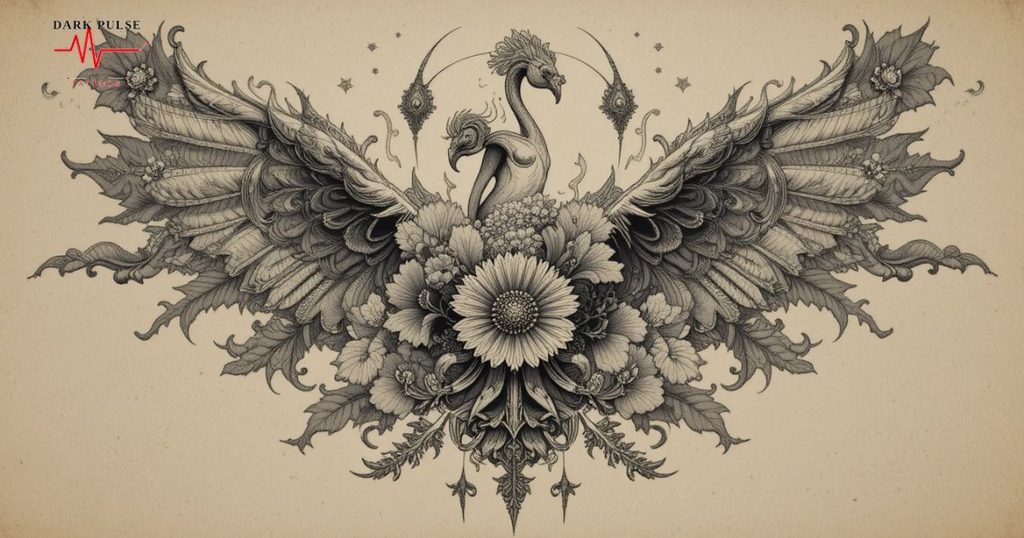
Neo-Traditional developed from the foundation of American Traditional but gives artists more freedom with color, shading, line weight, proportions, and detail. Designs may still use bold outlines, but they often contain richer gradients, decorative elements, more complex compositions, and a wider range of subject matter.
The style became increasingly recognizable during the late 20th century as tattoo artists pushed beyond the limitations of classic Old School designs. Influences from illustration, Art Nouveau, Art Deco, natural-history artwork, and modern tattooing helped shape its decorative appearance.
Why Choose Neo-Traditional?
Neo-Traditional is a strong choice when you love the boldness of traditional tattoos but want more detail and artistic freedom. Flowers, animals, portraits, mythical creatures, and nature scenes are particularly popular.
9. Geometric Tattoo Style
Geometric tattoos use shapes, symmetry, repeating patterns, lines, angles, and mathematical-looking structures. Circles, triangles, mandalas, sacred-geometry-inspired forms, and symmetrical compositions are common examples. Modern geometric tattooing overlaps with several older decorative and cultural traditions, so it is better understood as a broad visual approach rather than one historical tradition.
Precision is the defining characteristic. Small inconsistencies can affect the appearance of symmetrical designs, which is why an artist experienced in geometric work is especially important. Geometric tattoos can also be combined with animals, flowers, landscapes, or abstract imagery for a more personalized result.
Why Choose Geometric Tattoos?
Choose geometric work if you enjoy symmetry, clean lines, patterns, or visually balanced designs. It can look especially striking on the forearm, upper arm, chest, back, and calf.
10. Watercolor Tattoo Style
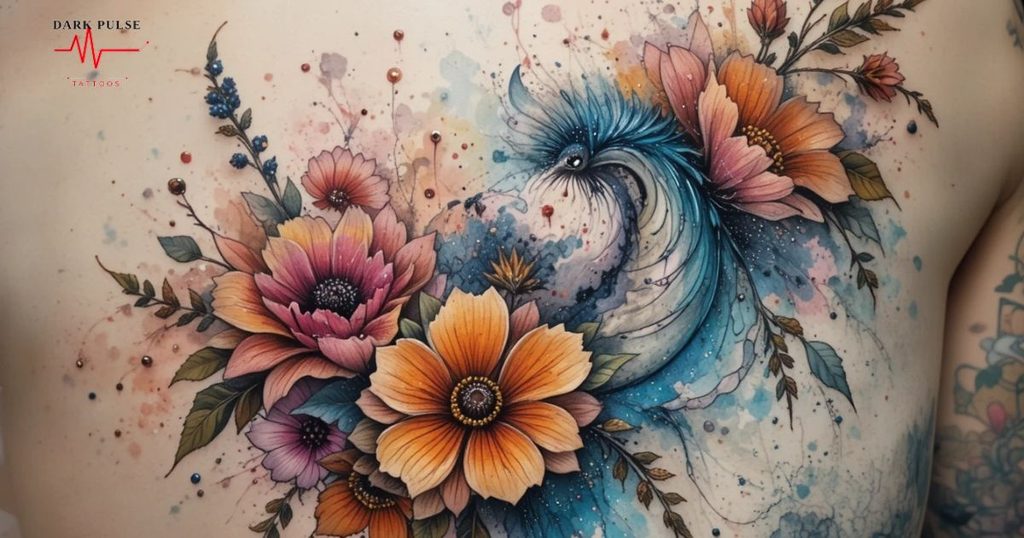
Watercolor tattoos imitate the appearance of watercolor paintings through soft color transitions, brush-like effects, splashes, and less traditional outlines. Instead of relying on the heavy borders associated with American Traditional work, watercolor designs often allow colors and shapes to flow more freely.
This is a comparatively modern tattoo approach, influenced by contemporary illustration and painting aesthetics rather than an ancient tattooing tradition. Artists may combine watercolor effects with fine line work to provide structure while maintaining a soft painted appearance.
Why Choose Watercolor?
Watercolor is suitable for people who want colorful, artistic, and less conventional tattoos. Flowers, birds, abstract designs, landscapes, and fantasy imagery can work particularly well with this approach.
11. Chicano Tattoo Style
Chicano tattooing developed within Mexican-American communities, particularly in the United States, and became strongly associated with black-and-grey imagery, fine lines, lettering, religious themes, portraits, lowrider culture, and neighborhood identity. Its history is closely connected to Mexican-American cultural expression and prison and street tattooing traditions.
Modern Chicano-inspired tattoos often feature roses, religious figures, women, clocks, scripts, crosses, lowriders, and symbolic imagery. Because the style carries specific cultural history, understanding its context is important before adopting imagery simply because you like its appearance.
Why Choose Chicano Style?
Chicano tattooing is ideal for people drawn to detailed black-and-grey compositions, expressive lettering, portraits, and symbolic storytelling. Finding an artist who genuinely understands the style is especially important.
12. New School Tattoo Style
New School tattooing emerged in the late 20th century and became known for exaggerated proportions, cartoon-like characters, strong outlines, unusual perspectives, and highly saturated colors. Compared with Traditional tattoos, New School designs often feel louder, more playful, and more three-dimensional.
The style was influenced by graffiti, animation, comic art, and contemporary illustration. Artists used exaggerated shapes and unusual compositions to create tattoos that looked energetic and deliberately unconventional.
Why Choose New School?
New School works well if you want something colorful, humorous, expressive, or completely different from traditional tattoo imagery. Cartoon characters, animals, fantasy creatures, and imaginative scenes are common subjects.
13. Dotwork Tattoo Style
Dotwork creates images and shading primarily through individual dots rather than conventional solid fills or smooth lines. Artists can vary dot density to create gradients, texture, shadows, and intricate patterns.
Dotwork often appears in mandalas, geometric tattoos, ornamental pieces, spiritual imagery, and blackwork. It can also be combined with fine line or geometric techniques for a highly detailed appearance.
Why Choose Dotwork?
Dotwork is a great fit if you appreciate intricate patterns and subtle texture. It can create a softer visual effect than large areas of solid black while still producing impressive contrast.
14. Minimalist Tattoo Style
Minimalist tattoos take the idea of simplicity seriously. They usually use a small number of lines, limited detail, restrained composition, and plenty of skin as negative space. Tiny hearts, stars, initials, symbols, animals, plants, and meaningful objects are common examples.
Minimalism is a modern design approach rather than one ancient cultural tattoo tradition. Its popularity has grown alongside broader minimalist trends in fashion, graphic design, and contemporary art.
Why Choose Minimalist Tattoos?
Minimalist tattoos are excellent for first-timers or anyone who wants subtle artwork. They can be placed on the wrist, ankle, forearm, behind the ear, collarbone, or other relatively small areas.
How to Choose the Best Tattoo Style for You
Choosing the best tattoo style isn’t only about picking the design you like most on social media. Think about how you want the finished tattoo to look, how large it needs to be, where you want it placed, and whether you want color or black ink. Different styles have different requirements, and an artist who specializes in one approach may not produce the same quality in another.
It’s also worth considering longevity. Bold outlines and strong contrast generally help tattoos remain readable as skin changes over time, while extremely small or delicate details require careful planning. Your artist can recommend an appropriate size, placement, line weight, and level of detail for the design you have in mind.
Before booking, compare several artist portfolios and look specifically for healed work when available. A beautiful fresh tattoo doesn’t always tell you how the design will look after it has settled. Most importantly, choose an artist whose portfolio consistently demonstrates the exact style you’re interested in.
Which Tattoo Styles Have the Strongest Historical Roots?
Tattooing itself is ancient, with archaeological evidence showing that people were tattooed thousands of years ago. The British Museum, for example, documents tattoo evidence from ancient Egypt and Sudan, including Egyptian examples dating to around 2000 BC and earlier evidence from Gebelein dating to approximately 3300–3000 BC.
However, it would be misleading to say that modern styles such as fine line or neo-traditional existed in the same form thousands of years ago. Many current styles are modern developments that borrow techniques, imagery, or visual ideas from older traditions. Japanese tattooing, Polynesian tattooing, Māori tā moko, and modern Western tattooing each followed different historical paths.
Best Tattoo Styles for Different Personalities
If you want a tattoo that feels bold and timeless, American Traditional or blackwork may be a good fit. If you’re drawn to large storytelling pieces, Japanese tattooing offers an extensive visual vocabulary of mythological and natural imagery.
For something subtle and elegant, fine line or minimalist tattoos can be appealing. If you prefer highly detailed artwork, realism and black-and-grey styles are worth exploring. Meanwhile, people who love color and artistic expression may prefer Neo-Traditional, New School, or watercolor approaches.
There is no universal “best” tattoo style. The right choice depends on your taste, the meaning behind the tattoo, your preferred placement, your budget, and the artist’s expertise.
Frequently Asked Questions
What is the oldest tattoo style?
There isn’t one single oldest modern tattoo style. Tattooing itself dates back thousands of years, with archaeological evidence from ancient cultures including Egypt. Modern styles developed much later from specific cultural traditions and artistic movements.
Which tattoo style has the most history?
Several traditions have very long histories, including Polynesian tattooing, Māori tā moko, and Japanese tattooing. Their histories and meanings are distinct, so they shouldn’t be treated as one continuous style.
What is the most popular tattoo style?
American Traditional, Japanese, fine line, blackwork, realism, geometric, and Neo-Traditional are among the widely recognized modern tattoo styles. Popularity changes with trends and regions.
Which tattoo style ages the best?
Bold styles with strong outlines and solid contrast, such as American Traditional and many blackwork designs, generally remain readable well as tattoos age. Size, placement, skin, sun exposure, and tattoo quality also matter.
How do I choose a tattoo style?
Start with the visual styles you naturally like, then consider the design subject, placement, size, color preference, and long-term appearance. Finally, choose an artist whose portfolio specializes in that particular style.
Conclusion
The best tattoo styles and their origins show just how diverse tattoo art really is. American Traditional grew into a recognizable Western visual language, Japanese tattooing developed through a rich history of symbolism and body composition, Māori tā moko carries deep cultural significance, while modern styles such as fine line, realism, geometric, and Neo-Traditional continue to evolve.
Instead of choosing a tattoo style simply because it’s trending, look for one that matches your personality and the story you want your tattoo to tell. Study real artist portfolios, understand the history behind culturally specific designs, and discuss your idea with an experienced tattoo artist. The right style can turn a simple idea into artwork you’ll be proud to wear for years.